Curie Brief
Turn on cookies to sign in
Signing in saves your progress to your Curie account. We can only do that with cookies on — turn them on to continue.
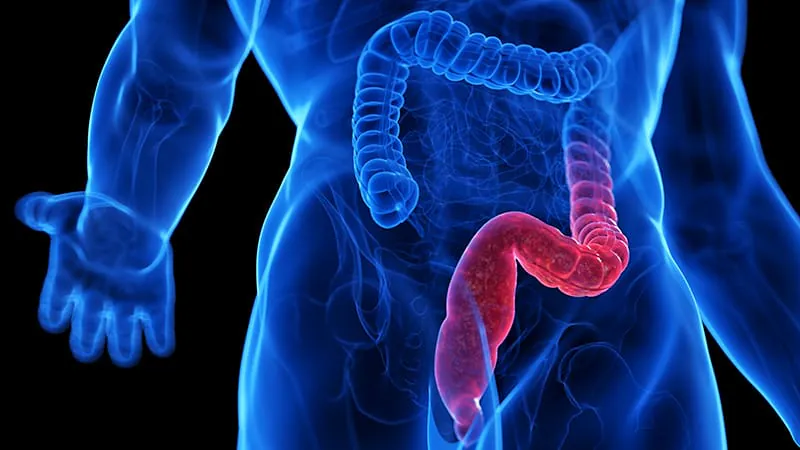
Doctors have been diagnosing acute severe ulcerative colitis (ASUC) using criteria from 1955 — and a new consensus panel says it's time for an upgrade. A Delphi panel of international gastroenterologists has proposed updated diagnostic criteria that account for modern treatments like corticosteroids and advanced therapies, which can mask classic symptoms. The new framework uses major and minor clinical and lab parameters, though experts stress prospective validation is still needed.
Doctors have been diagnosing acute severe ulcerative colitis (ASUC) using the Truelove and Witts criteria — a framework developed in 1955 — and a new international consensus panel says it's well past time for an upgrade. Published in Clinical Gastroenterology and Hepatology, the updated criteria were developed by a Delphi panel of European, North American, and Asia-Pacific gastroenterologists to reflect the realities of modern treatment.
The core problem? Patients today are often already on corticosteroids or advanced therapies by the time they're evaluated, which can suppress the classic signs and symptoms that the old criteria rely on — causing some genuinely severe cases to be missed.
Key Takeaways:
Why it matters: ASUC can be a life-threatening emergency requiring hospitalization or even colectomy. Outdated diagnostic criteria risk missing patients who need urgent care — especially those already on modern therapies. While the new criteria are a meaningful step forward, experts caution that prospective validation of sensitivity, specificity, and clinical outcomes is still needed before widespread adoption.