Curie Brief
Turn on cookies to sign in
Signing in saves your progress to your Curie account. We can only do that with cookies on — turn them on to continue.
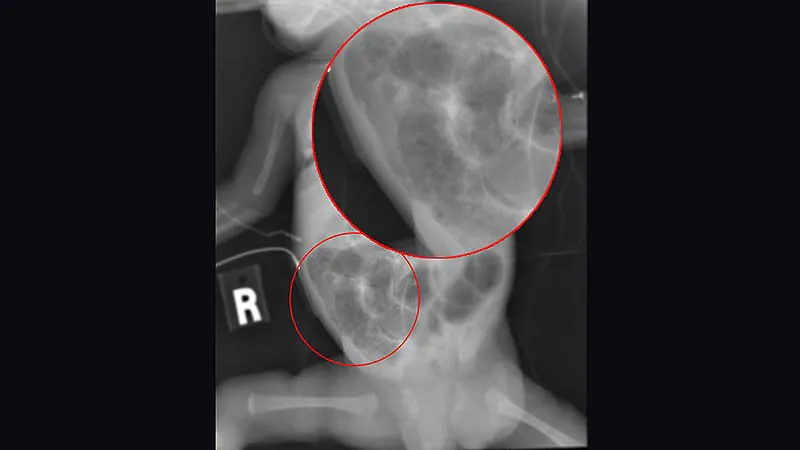
Two new European studies add compelling evidence that a multistrain probiotic formula can dramatically reduce necrotizing enterocolitis (NEC) in preterm infants. A large Swedish registry study found NEC rates of just 0.6% in probiotic-treated infants vs. 2.5% in untreated ones, with mortality similarly reduced. Despite the data, US NICUs remain largely on the sidelines due to FDA concerns and a lack of an approved product.
Two new studies published in JAMA Network Open — one from Sweden and one from the Netherlands — add to a growing body of evidence that a specific three-strain probiotic formula can significantly reduce necrotizing enterocolitis (NEC) in premature infants. NEC is a devastating gut disease that carries a mortality rate of up to 30%, rising to 50% in infants requiring surgery.
The Swedish study, drawing on a national neonatal registry of over 4,600 infants born at 28–31 weeks gestation, found that daily supplementation with Bifidobacterium infantis, Bifidobacterium lactis, and Streptococcus thermophilus was associated with a 72% lower combined risk of death and/or NEC. The Dutch study, conducted across two NICUs, found a 51% reduction in NEC incidence after probiotic implementation — though all-cause mortality remained unchanged. Crucially, no cases of probiotic-associated sepsis were reported in Sweden during the study period.
In the US, however, probiotic use in NICUs has plummeted following a 2023 FDA warning after one infant died from sepsis linked to a single-strain probiotic product. A single-agent probiotic is currently under FDA review, which experts say could reopen the door for broader use.
By the Numbers:
Why it matters: With NEC killing and disabling thousands of premature infants annually, these European findings highlight a potentially life-saving intervention that remains largely inaccessible in the US due to regulatory hurdles — a gap that families and clinicians are increasingly calling urgent.