Curie Brief
Turn on cookies to sign in
Signing in saves your progress to your Curie account. We can only do that with cookies on — turn them on to continue.

The American Diabetes Association has released a new scientific statement aimed at helping primary care providers better integrate diabetes technologies — like continuous glucose monitors and automated insulin delivery systems — into everyday practice. Despite most diabetes care happening in primary care settings, adoption of these tools has been uneven due to training gaps, insurance hurdles, and limited data infrastructure. The statement calls for team-based care models, better training, and fewer payor barriers.
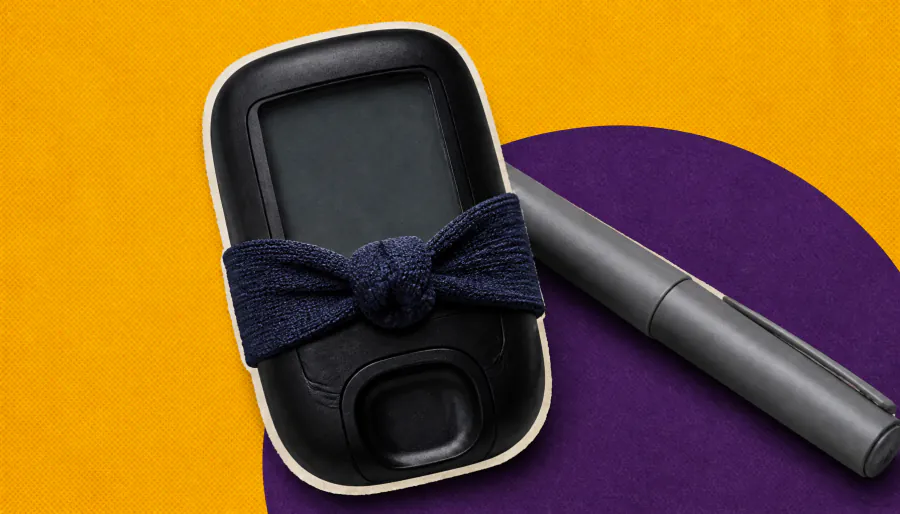
The American Diabetes Association (ADA) has published a scientific statement offering primary care providers a practical roadmap for integrating diabetes technology into routine practice. The document, co-published in Diabetes, Obesity, and Cardiometabolic Care and the Journal of Diabetes Science and Technology, addresses persistent gaps in awareness, access, and adoption of tools like continuous glucose monitoring (CGM), connected insulin pens, automated insulin delivery (AID) systems, and remote coaching platforms.
The statement emphasizes that while diabetes technology has grown more effective and less complex, its benefits remain unevenly distributed — largely due to workforce shortages, inadequate training, and insurance barriers. To close these gaps, the ADA recommends team-based care models that include not just physicians but also pharmacists, dietitians, social workers, and community health workers. Virtual care and remote patient monitoring are highlighted as key tools for expanding access without sacrificing continuity of care.
Key Takeaways:
Why it matters: With the majority of diabetes care delivered in primary care, closing the technology adoption gap could meaningfully improve outcomes for millions of patients — and reduce long-term complications tied to poorly managed diabetes.