Curie Brief
Turn on cookies to sign in
Signing in saves your progress to your Curie account. We can only do that with cookies on — turn them on to continue.
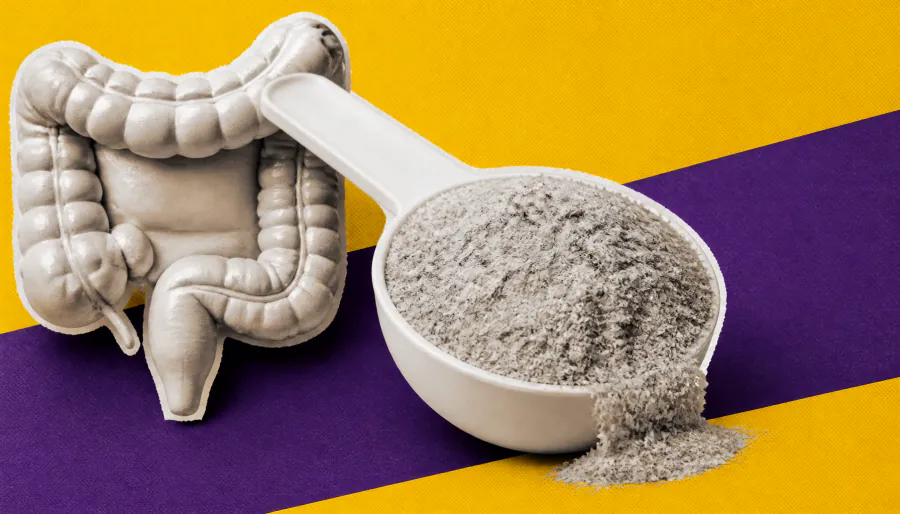
A new meta-analysis confirms that fiber supplementation — especially psyllium — improves clinical response in irritable bowel syndrome (IBS). Analyzing 30 randomized controlled trials with nearly 1,900 patients, researchers found psyllium was the only fiber type to significantly outperform placebo. The findings reinforce current guidelines recommending fiber as a first-line therapy for IBS.
A comprehensive updated meta-analysis published in Gastroenterology confirms that fiber supplementation — particularly psyllium — produces a meaningful clinical benefit for patients with irritable bowel syndrome (IBS). The review, covering 30 randomized controlled trials (RCTs) and nearly 1,900 patients, found that more patients responded to fiber than to placebo overall, but psyllium stood out as the only fiber source with a statistically significant advantage over placebo.
The analysis tested a wide range of fiber types, dosages (1.4–30 g/day), and durations (7 days to 3 months). While fiber supplementation didn't significantly move the needle on specific symptoms like abdominal pain, bloating, or quality of life, global clinical response — especially with psyllium — was notably better than placebo. Lower doses (up to 10 g/day) and shorter study durations also showed stronger responses.
Key Takeaways:
Why it matters: These findings update decade-old evidence and give clinicians renewed confidence in recommending psyllium-based fiber as a practical, accessible first-line option for IBS patients — while highlighting the need for more targeted research.