Curie Brief
Turn on cookies to sign in
Signing in saves your progress to your Curie account. We can only do that with cookies on — turn them on to continue.
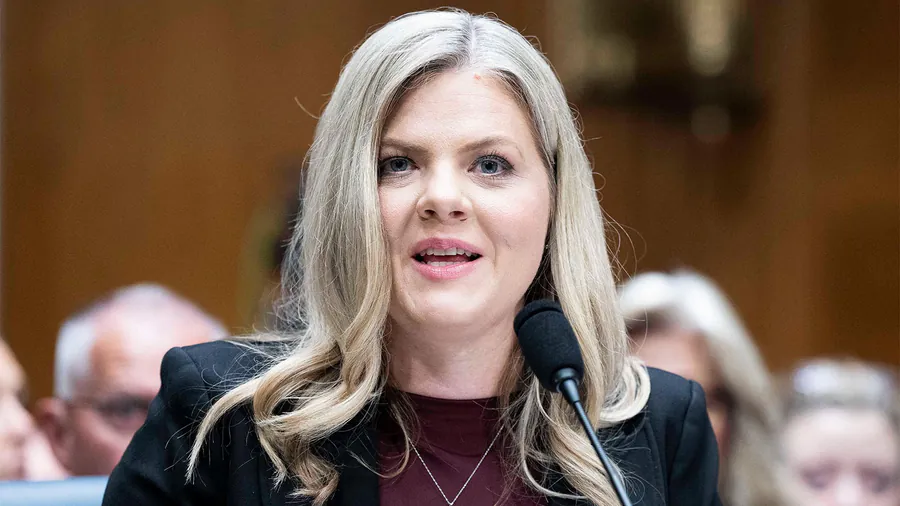
Heidi Overton, MD, PhD, the Trump administration's pick for FDA commissioner, impressed observers at her Senate confirmation hearing with her commitment to law, science, and process. She affirmed the safety of FDA-approved vaccines — including MMR — and pledged to uphold the agency's evidence-based standards. But her lack of large-organization management experience and the looming influence of Trump and RFK Jr. make her path anything but straightforward.
Heidi Overton, MD, PhD, the Trump administration's nominee for FDA commissioner, made a measured impression at her Senate HELP Committee confirmation hearing, signaling a return to the cooperative tone and institutional respect that has historically defined the role. Healthcare policy analyst Steven Grossman, JD, argues that while confirmation hearings are largely theater, Overton's core message — that FDA decisions must follow the law, science, and established process — is exactly what the agency needs right now.
Overton's standout moment came when she affirmed the safety of all FDA-approved vaccines, explicitly defending the MMR vaccine — a direct, if understated, contrast to President Trump's recent public claims about the trivalent MMR vaccine. She was less definitive on mifepristone, deflecting questions by citing an ongoing safety review.
Her credentials are solid but not without gaps: she's knowledgeable, articulate, and process-oriented, but has limited experience running a large, complex organization. The bigger challenge may be navigating bosses — Trump and HHS Secretary RFK Jr. — who have a clear FDA agenda and a habit of opining on scientific matters outside their areas of expertise.
Key Takeaways:
Why it matters: The FDA commissioner role shapes drug approvals, vaccine policy, and food safety for millions of Americans. With political pressure mounting from the White House and HHS, who sits in that chair — and how they hold the line on science — has never mattered more.