Curie Brief
Turn on cookies to sign in
Signing in saves your progress to your Curie account. We can only do that with cookies on — turn them on to continue.
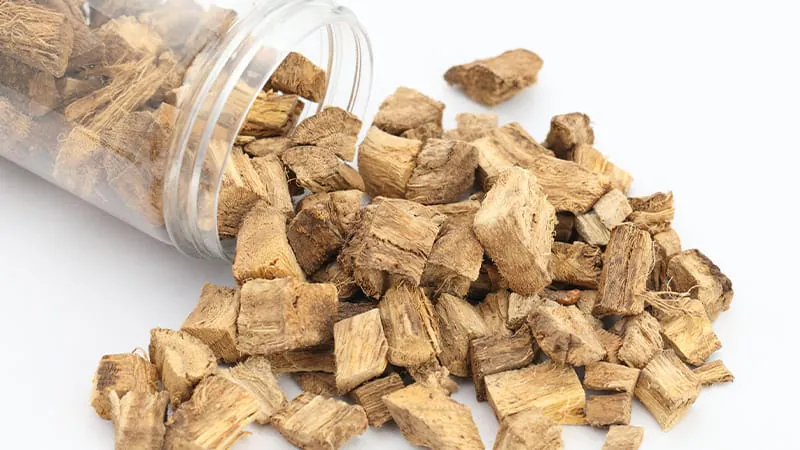
Kudzu, a traditional Chinese herb, has been gaining attention as a natural remedy for reducing alcohol consumption — but the science is still catching up. Small studies show it may curb short-term drinking, but there's no solid evidence it treats alcohol dependence. Experts warn it's not a substitute for proven medical treatments, and some safety concerns — including potential liver toxicity — deserve attention.
Kudzu, a climbing plant native to East Asia long used in traditional Chinese medicine, is now widely marketed in dietary supplements for reducing alcohol cravings, easing menopausal symptoms, and improving blood sugar and inflammation. But how much of that is backed by real science?
When it comes to alcohol, the evidence is intriguing but limited. Several small, short-term studies found that standardized kudzu extracts or its key compound, puerarin, modestly reduced alcohol intake in controlled settings. However, none of these trials addressed clinically meaningful outcomes like maintaining sobriety, preventing relapse, or managing withdrawal — meaning kudzu is far from a proven treatment for alcohol dependence. For menopausal symptoms, the data is slightly more robust but still preliminary, with one randomized study showing no clear advantage over hormone replacement therapy. Evidence for diabetes, cardiovascular protection, and inflammation remains largely preclinical.
Key Takeaways:
Why it matters: As patients increasingly turn to herbal supplements, clinicians need to be equipped with accurate, evidence-based information. Kudzu is pharmacologically interesting, but it's not ready to replace established treatments — and its safety profile means it shouldn't be dismissed as harmless either.