Curie Brief
Turn on cookies to sign in
Signing in saves your progress to your Curie account. We can only do that with cookies on — turn them on to continue.
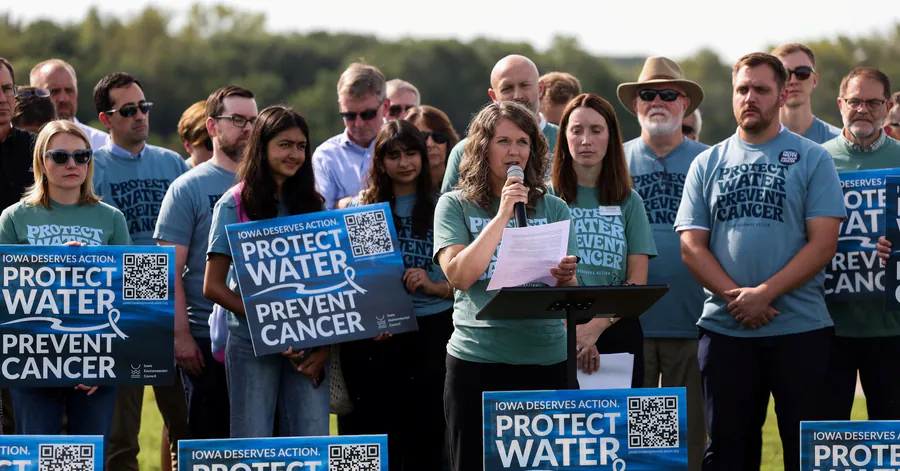
Iowa has the second-highest cancer rate in the US, and it's become a rare bipartisan campaign issue heading into the midterms. Candidates across party lines are linking the surge to water pollution from agricultural nitrates, though scientists haven't reached a consensus. From Medicaid cuts to cancer screening access, the debate is shaping up to be a defining health issue of the 2026 election cycle.
Iowa has the second-highest cancer rate in the nation — and for the first time, it's become a major campaign issue. Heading into the 2026 midterms, candidates from both parties are talking about it: five of six candidates who appeared at the Iowa State Fair this August addressed the state's rising cancer rates. After more than a decade of decline, Iowa's cancer rate began climbing in 2014, driven by higher rates of lung, prostate, and breast cancers. It's one of only three states where cancer rates are currently rising.
Much of the public concern centers on water quality. About 85% of Iowa is farmland, and nitrate concentrations in the state's main waterways have doubled over the past 50 years, regularly exceeding EPA limits. While some studies have found links between nitrate-contaminated water and higher cancer rates, scientists haven't reached a firm consensus. A state-commissioned interim report released in February found no definitive cause for the rise.
By the Numbers:
Why it matters: Cancer has rarely been a defining electoral issue, but Iowa's crisis is changing that — putting water quality, healthcare access, and research funding squarely in the political spotlight.