Curie Brief
Turn on cookies to sign in
Signing in saves your progress to your Curie account. We can only do that with cookies on — turn them on to continue.
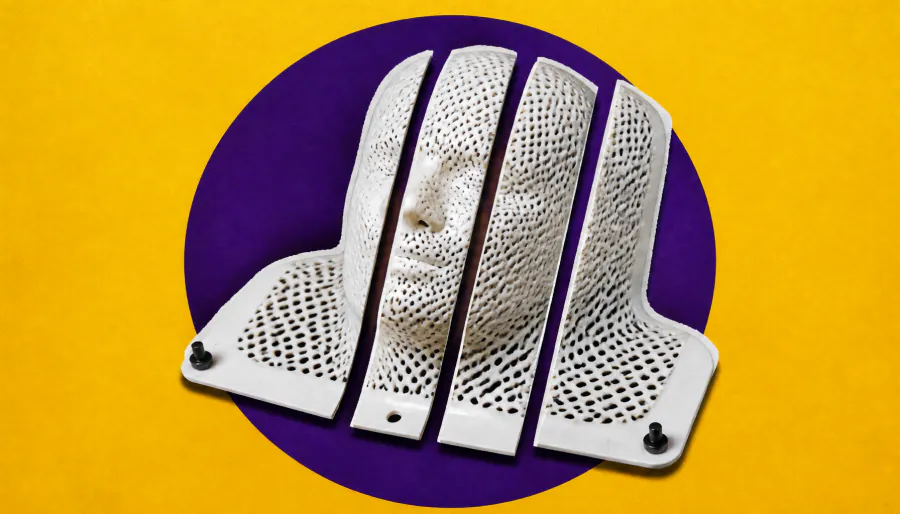
Fractionated stereotactic radiation beats single-dose treatment for brain metastases. A landmark phase 3 trial found that delivering radiation over 3–5 sessions after surgery significantly improved local tumor control and extended median survival by over 8 months compared to a single-fraction approach. Researchers are calling it a new standard of care for patients with large, resected brain metastases.
Fractionated stereotactic radiation beats single-dose treatment for brain metastases
The first randomized phase 3 trial comparing radiation schedules for brain metastases has delivered a clear verdict: spreading treatment across multiple sessions is better. Presented at the ASTRO Annual Meeting, the Alliance A071801 trial found that fractionated stereotactic radiosurgery (3–5 sessions) significantly outperformed single-fraction radiosurgery in patients with large, surgically removed brain metastases — improving both local tumor control and overall survival.
The trial enrolled 242 patients with one to four brain metastases. Those in the multi-fraction arm received 27–30 Gy over 3–5 sessions, while the single-fraction arm received 12–20 Gy in one visit. After a median follow-up of 48 months, the multi-fraction group showed better outcomes across the board, with no meaningful difference in toxicity between the two groups.
By the Numbers
Why it matters: With over 200,000 brain metastasis diagnoses in the U.S. annually, this trial shifts the standard of care. Fractionated treatment reduces the risk of local recurrence — a complication that can trigger anxiety, additional imaging, and complex salvage therapies — making the extra treatment visits worthwhile for most patients.