Curie Brief
Turn on cookies to sign in
Signing in saves your progress to your Curie account. We can only do that with cookies on — turn them on to continue.
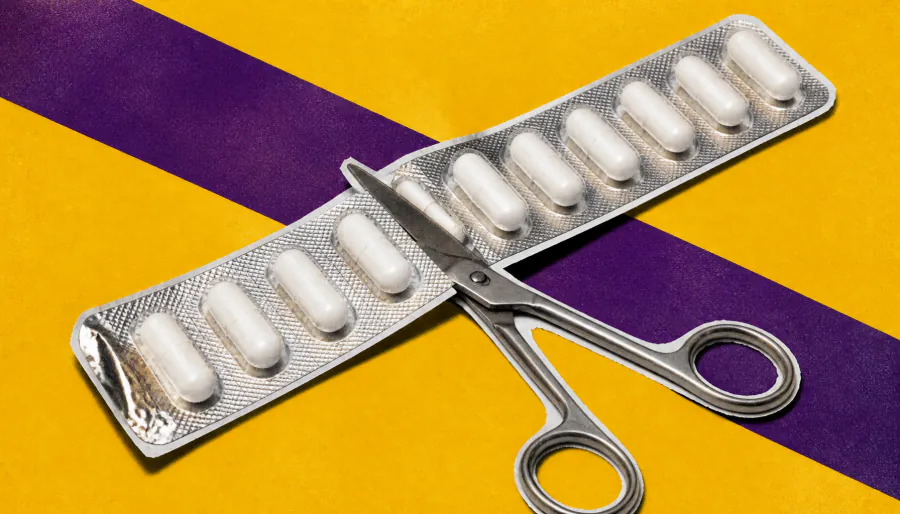
A large retrospective study found that extended oral antibiotic therapy (60+ days) after two-stage knee replacement revision for periprosthetic joint infection offered no significant reduction in reinfection rates compared to shorter courses. Adverse event rates were also similar between groups. Researchers urge caution about routinely prescribing extended antibiotics given the associated risks.
A new study presented at the Joint European Bone & Joint Infection Society-Musculoskeletal Infection Society Conference challenges a common practice in orthopedic surgery: giving patients extended oral antibiotics after two-stage reimplantation for total knee arthroplasty (TKA). Researchers from Hospital for Special Surgery retrospectively analyzed data from 2,181 patients and found no statistically significant difference in periprosthetic joint infection (PJI)-related reoperations between those who received extended antibiotics (60+ cumulative days) and those who did not.
The findings held across multiple time points — 90 days, 1 year, and 2 years — and adverse event rates were nearly identical between groups. Researchers caution that extended antibiotic use carries real risks, including GI complications, kidney injury, and potential downstream infections from systemic effects.
By the Numbers:
Why it matters: With antibiotic stewardship increasingly critical, this study suggests clinicians should be more selective — rather than routine — when prescribing extended oral antibiotics post-TKA reimplantation, reserving them for higher-risk patients.