Curie Brief
Turn on cookies to sign in
Signing in saves your progress to your Curie account. We can only do that with cookies on — turn them on to continue.
A large Danish study finds that oral menopausal hormone therapy (MHT) raises the risk of blood clots, stroke, and heart attacks — but the patch may be a safer bet. Transdermal MHT showed no increased risk for most thrombotic events, while high-dose oral estradiol carried the greatest risk. Experts say the takeaway is clear: individualize treatment and use the lowest effective dose.
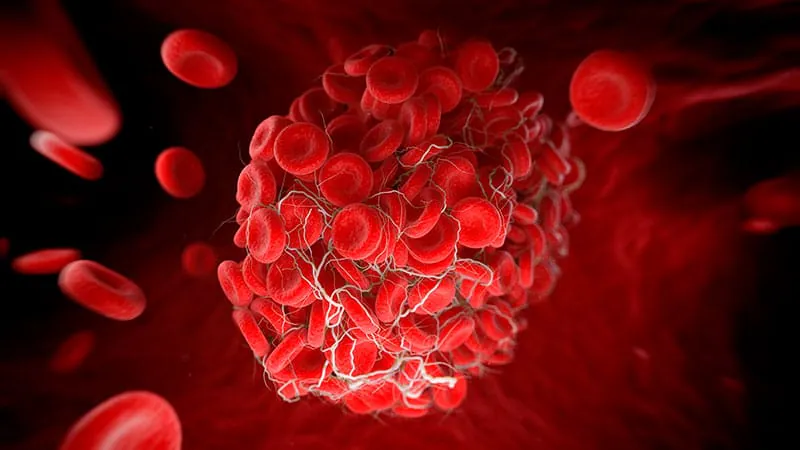
A nationwide Danish study published in The BMJ is giving clinicians a clearer picture of how menopausal hormone therapy (MHT) affects cardiovascular and clotting risk — and the answer depends heavily on how it's taken. Oral MHT was linked to higher rates of venous blood clots, ischemic stroke, and heart attacks compared to no therapy, while transdermal (patch) MHT showed no increased risk for most thrombotic events, making it the safer route of administration overall.
The dose and duration of oral therapy matter too. Low-dose oral estradiol (≤1 mg/day) was not associated with increased stroke or heart attack risk, but higher doses used for more than a year were. Researchers analyzed data from over 1 million Danish women aged 50–69 between 2003 and 2021.
By the Numbers:
Why it matters: While the absolute risks are small, MHT is widely used — meaning even rare events add up at a population level. Clinicians are urged to take an individualized approach, favoring transdermal therapy when possible and using the lowest effective oral dose with regular reassessment.