Curie Brief
Turn on cookies to sign in
Signing in saves your progress to your Curie account. We can only do that with cookies on — turn them on to continue.
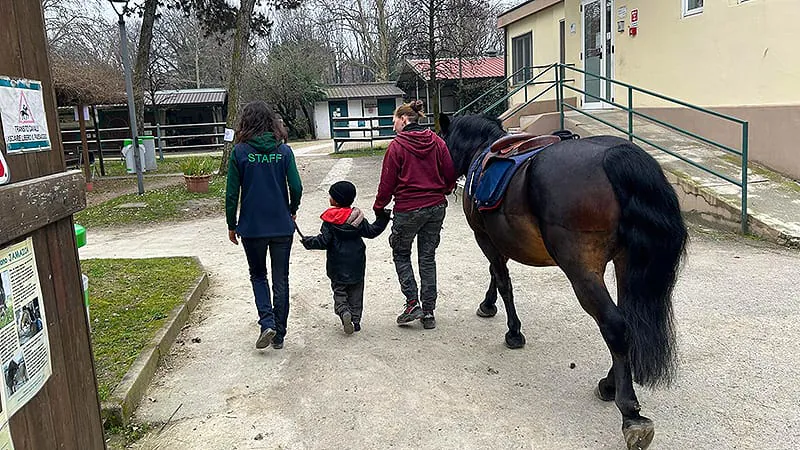
Horses are pulling double duty in the therapy room. Emerging research and clinician accounts suggest that equine-assisted psychotherapy (EAP) doesn't just benefit patients — it also reduces therapist stress, deepens clinical presence, and may protect against burnout. A recent BMC study found that working alongside horses anchors therapists to the present moment, fostering resilience and job retention.
Equine-assisted psychotherapy (EAP) has long been recognized for its benefits to patients — improving emotional regulation, empathy, and stress reduction. But a growing body of evidence and clinician experience suggests the horses are helping the healers too. A recent study in BMC Complementary Medicine and Therapies interviewed 10 experienced clinicians and found that working with horses deepens therapeutic presence and anchors practitioners to the present moment — a quality essential in mental health care.
Therapists describe a concept called "horse time," where the animal's pace naturally cultivates patience, self-awareness, and self-control in clinicians. Horses also act as co-therapists, mirroring client body language and signaling emotional shifts — particularly valuable when working with nonverbal patients. The sense of play and companionship horses provide appears to shield therapists from burnout, building resilience and supporting job retention at a time when healthcare worker mental health is in crisis.
Key Takeaways:
Why it matters: With 1 in 3 doctors and nurses in Europe reporting work-related depression (per WHO data), interventions that protect clinician wellbeing are urgently needed. EAP may offer a unique, dual-benefit model — but broader adoption will require more rigorous research and standardized training.