Curie Brief
Turn on cookies to sign in
Signing in saves your progress to your Curie account. We can only do that with cookies on — turn them on to continue.
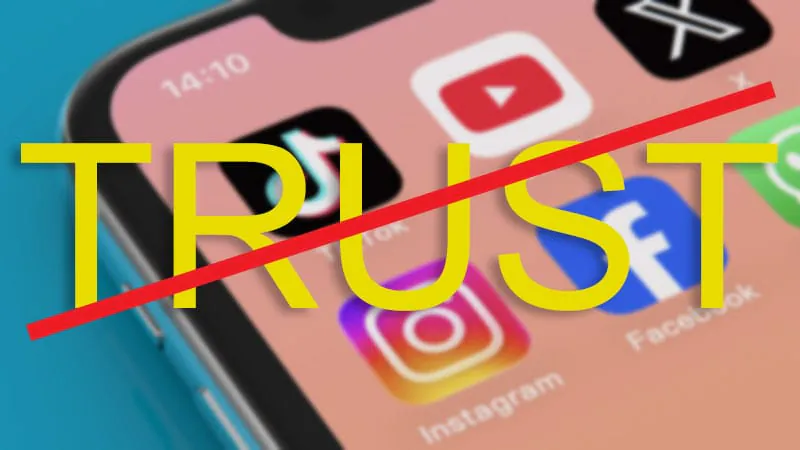
Scammers are using AI to clone physicians' likenesses and voices in fake videos promoting supplements and unproven treatments — without their knowledge or consent. One New Orleans doctor found himself "selling vitamins all over the place" online despite never endorsing any product. Social media platforms have largely failed to act, prompting the AMA to push for federal legislation to close the gap.
AI-generated deepfake videos are increasingly targeting physicians, using their faces and voices to hawk supplements and questionable treatments to unsuspecting patients. Maurice Sholas, MD, PhD, a pediatric rehabilitation specialist in New Orleans, discovered a convincing fake of himself promoting vitamins to Black communities on TikTok, X, and Instagram — videos that racked up tens of thousands of views. Despite repeated complaints, social media platforms largely ignored him or issued automated denials, leaving him with little recourse.
The American Medical Association (AMA) says the problem is growing fast, with no platform penalties for failing to remove flagged deepfakes. Beyond reputational harm, the stakes are real: patients may change treatments, buy unvetted supplements, or distrust legitimate medical advice based on fake physician endorsements.
Key Takeaways:
Why it matters: When patients believe a trusted doctor is endorsing a product, they act on it — sometimes dangerously. Without enforceable federal standards, physicians have almost no tools to protect their identities or the patients who trust them.