Curie Brief
Turn on cookies to sign in
Signing in saves your progress to your Curie account. We can only do that with cookies on — turn them on to continue.
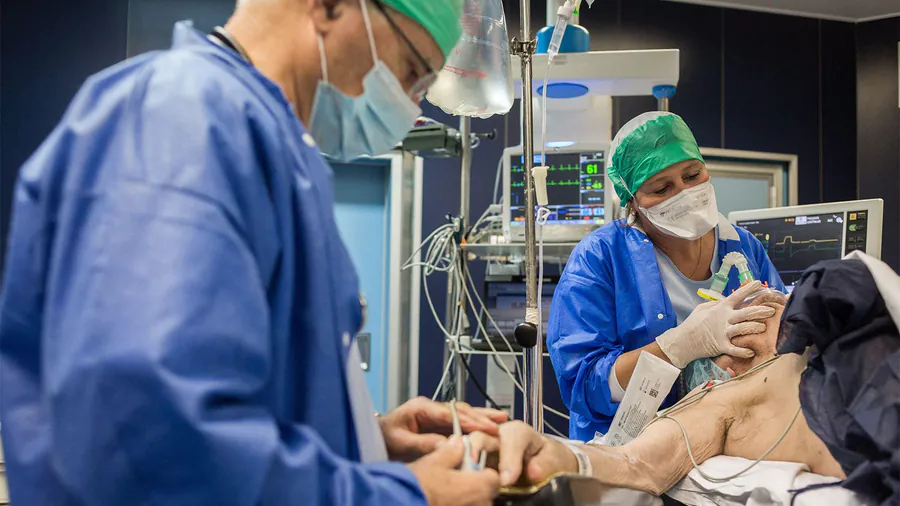
Same service, different paycheck. Certified Registered Nurse Anesthetists (CRNAs) are being reimbursed at just 85% of the physician fee schedule by major insurers like Anthem and UnitedHealthcare — despite delivering the same care. Advocates are calling on Congress to mandate reimbursement parity, warning that unequal pay threatens access to anesthesia services, especially in rural and underserved communities.
Certified Registered Nurse Anesthetists (CRNAs) are trained to deliver the same anesthesia services as physician anesthesiologists — but major insurers are paying them significantly less for it. Anthem Blue Cross Blue Shield and UnitedHealthcare have both implemented policies reimbursing independent CRNA services at just 85% of the physician fee schedule, with other insurers following suit. These cuts aren't tied to any evidence of lower quality care or worse patient outcomes — they're purely provider-designation-based decisions.
The consequences go beyond a pay dispute. CRNAs are often the only anesthesia professionals in rural hospitals, surgery centers, military facilities, and obstetric units. When reimbursement drops, CRNA practices become financially unsustainable, putting pressure on already-struggling rural hospitals and threatening access to surgical, trauma, and pain management services for millions of Americans.
Key Takeaways:
Why it matters: Reimbursement parity isn't just a fairness argument — it's a healthcare access issue. Without legislative action requiring equal pay for equivalent services, communities that depend on CRNAs risk losing access to essential procedures altogether.