Curie Brief
Turn on cookies to sign in
Signing in saves your progress to your Curie account. We can only do that with cookies on — turn them on to continue.
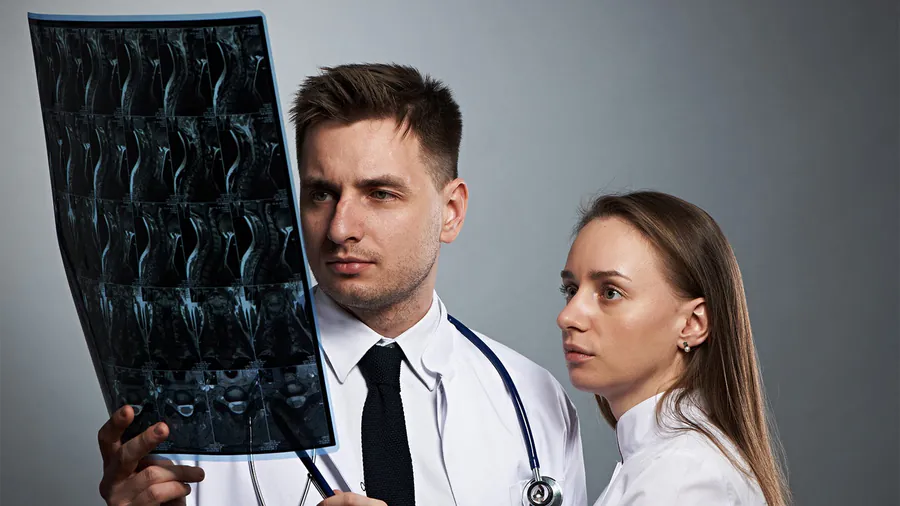
Medical students are learning two conflicting playbooks: evidence-based guidelines in textbooks and liability-driven decisions on the wards. Two medical students argue that defensive medicine — ordering extra tests to avoid lawsuits rather than to help patients — is a pervasive but unacknowledged part of clinical training. The disconnect is creating real confusion and hesitation in future physicians.
Medical students are navigating two competing curricula: the evidence-based algorithms taught in textbooks and the liability-driven decisions they witness daily on clinical rotations. In a new opinion piece, two medical students describe how defensive medicine — ordering unnecessary tests or avoiding high-risk procedures to shield physicians from lawsuits — has become a de facto "hidden curriculum" in medical training, one that is never formally acknowledged or taught.
The authors recount a telling example: a 12-year-old with a clear-cut appendicitis diagnosis who received an unnecessary CT scan at the family's request, adding thousands of dollars in costs without changing the treatment plan. When the students later answered a similar case question on an exam by choosing "order CT" (as they'd observed in practice), the correct answer was "admit for surgery." The gap between what they saw and what they studied created real confusion.
Key Takeaways:
Why it matters: If future physicians can't distinguish evidence-based decisions from liability-driven ones, patient care and healthcare costs both suffer. The authors call for open conversations — and eventually formal curriculum changes — to help trainees navigate this tension early in their careers.