Curie Brief
Turn on cookies to sign in
Signing in saves your progress to your Curie account. We can only do that with cookies on — turn them on to continue.

Lionel Richie, 77, recently underwent a successful atrial fibrillation (AFib) ablation, drawing public attention to the most common heart rhythm disorder. AFib affects millions and raises the risk of stroke, blood clots, and heart failure. His procedure highlights rapid advances in ablation technology, including pulsed field ablation (PFA), which offers a safer, non-thermal alternative to traditional techniques.
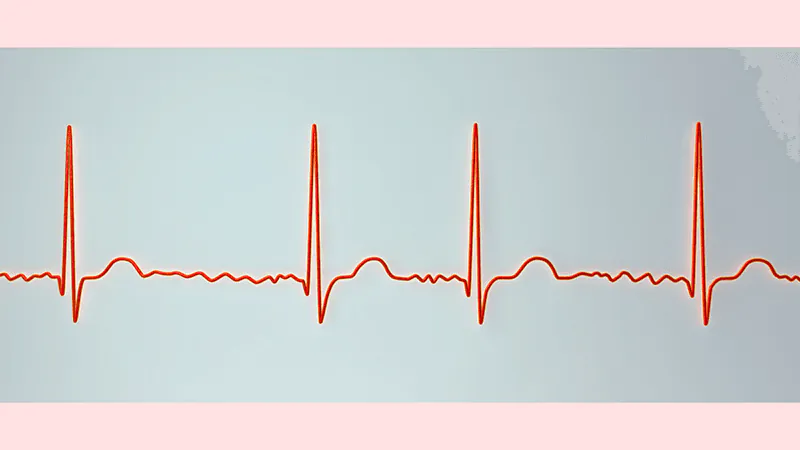
Lionel Richie, 77, is recovering after a successful atrial fibrillation (AFib) ablation — and his high-profile procedure is putting a fresh spotlight on the most common cardiac arrhythmia. AFib affects millions of people and significantly raises the risk of stroke, blood clots, and heart failure. Symptoms range from none at all to palpitations, fatigue, and shortness of breath.
Ablation has become an increasingly popular treatment option, particularly catheter-based pulmonary vein isolation (PVI), which is considered first-line therapy for paroxysmal AFib and is growing in use for persistent AFib. The field has seen major innovation recently, with the FDA approving the first pulsed field ablation (PFA) system in 2023 — a non-thermal approach that uses high-voltage electrical fields to isolate aberrant pathways with less risk of collateral tissue damage than traditional radiofrequency or cryoablation methods.
Key Takeaways:
Why it matters: As AFib prevalence grows with an aging population, advances like PFA represent a meaningful shift in how clinicians can offer safer, more durable treatment — and high-profile cases like Richie's help drive public awareness and earlier care-seeking.