Curie Brief
Turn on cookies to sign in
Signing in saves your progress to your Curie account. We can only do that with cookies on — turn them on to continue.
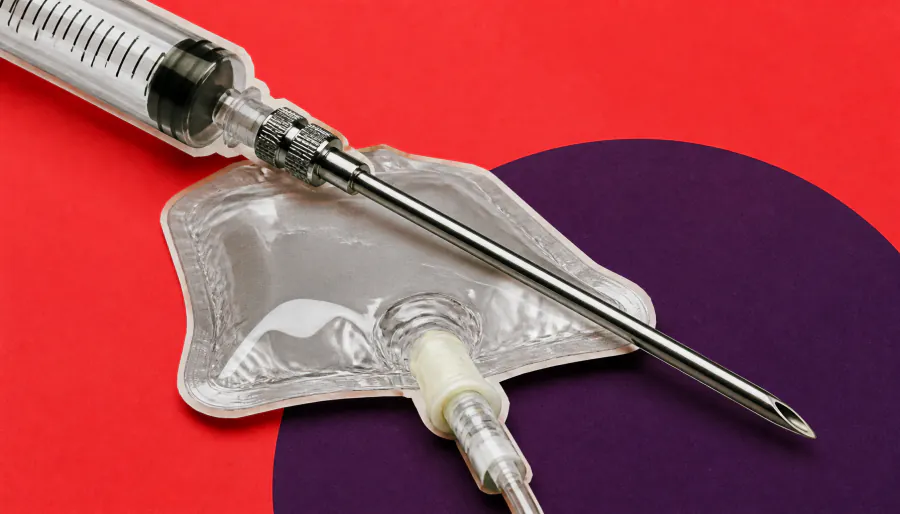
Chemotherapy is increasingly being administered outside traditional oncology settings — and that's raising serious safety concerns. At the ONS Bridge 2026 virtual meeting, oncology nurse Tiffany Kurtz highlighted the training gaps and preventable risks that arise when specialized treatments are delivered through nontraditional routes by staff without formal chemo safety education. Standardized policies, competency validation, and oncology collaboration are key to closing the gap.
Chemotherapy is no longer confined to dedicated oncology units. Increasingly, antineoplastic agents are being administered through specialized routes — intravesical, intraperitoneal, intrathecal, intraventricular, and hepatic arterial — and in settings like interventional radiology, surgical services, and outpatient procedural areas. At the ONS Bridge 2026 virtual meeting, oncology nurse Tiffany Kurtz highlighted the safety risks this trend creates, particularly for staff who are highly skilled but lack formal chemotherapy-specific training.
Kurtz, drawing on 22 years of oncology experience, emphasized that errors in some of these routes — especially intrathecal administration — can be fatal. Lower-volume departments face the greatest risk, as staff may encounter high-risk therapies only rarely. She called on oncology teams to actively partner with non-oncology departments on policy development, competency validation, PPE protocols, spill management, and escalation pathways.
Key Takeaways:
Why it matters: As chemotherapy delivery expands into non-oncology environments, the safety infrastructure must expand with it. Without targeted education and standardized protocols, preventable — and potentially fatal — errors become more likely.