Curie Brief
Turn on cookies to sign in
Signing in saves your progress to your Curie account. We can only do that with cookies on — turn them on to continue.
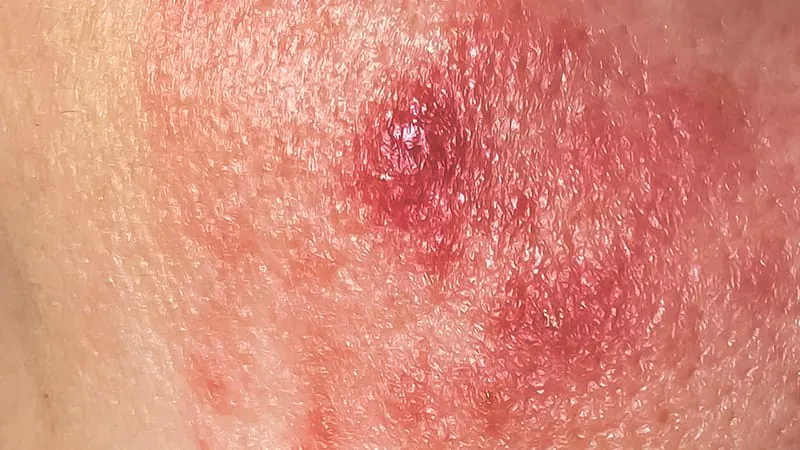
Women fare better in a rare skin cancer. A large 18-year study found that women diagnosed with extramammary Paget disease (EMPD) had nearly half the cancer-specific mortality risk compared to men. Disease stage and age were also key survival predictors, and surgery alone outperformed all other treatment approaches.
A new 18-year study published in the Journal of the American Academy of Dermatology reveals a striking survival gap between the sexes in extramammary Paget disease (EMPD), a rare cutaneous adenocarcinoma. Women with EMPD had significantly better outcomes than men, with nearly half the cancer-specific mortality risk — a finding that researchers say may be tied to differences in how the disease behaves anatomically across sexes.
The retrospective cohort study analyzed over 3,400 patients from the SEER database (2004–2021) and found that disease stage and age were also powerful predictors of survival. Surgery alone emerged as the most effective treatment, outperforming all other approaches including radiotherapy and combination therapies.
By the Numbers
Why it matters: EMPD is rare and often underrecognized. These findings highlight the importance of early-stage detection and sex-specific considerations in treatment planning, offering clinicians clearer benchmarks for prognosis and care.