Curie Brief
Turn on cookies to sign in
Signing in saves your progress to your Curie account. We can only do that with cookies on — turn them on to continue.
The CDC's vaccine recommendation process has effectively stalled after RFK Jr. dismantled the Advisory Committee on Immunization Practices (ACIP) and a federal court blocked his replacement panel. New vaccines — including the first mRNA flu shot — are FDA-approved but lack official CDC guidance, leaving doctors, insurers, and patients in limbo as medical societies scramble to fill the void.
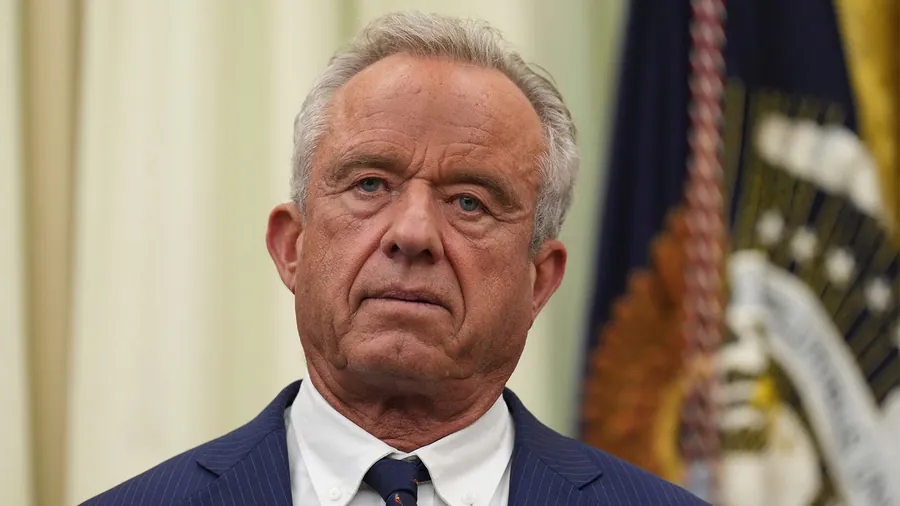
The U.S. vaccine policy machine is grinding to a halt. After HHS Secretary Robert F. Kennedy Jr. fired the CDC's Advisory Committee on Immunization Practices (ACIP) and replaced it with a panel that included anti-vaccine voices, a federal judge stepped in — suspending Kennedy's new committee and blocking his decision to reduce the number of vaccines recommended for children. The ruling was widely welcomed, but it didn't fix things. It just froze them.
With no functioning federal body to issue guidance, medical societies have quietly formed their own working groups, issuing independent vaccine recommendations that private insurers are now following instead of the CDC. The result is a fragmented, unofficial system operating in place of what used to be a transparent, evidence-based process.
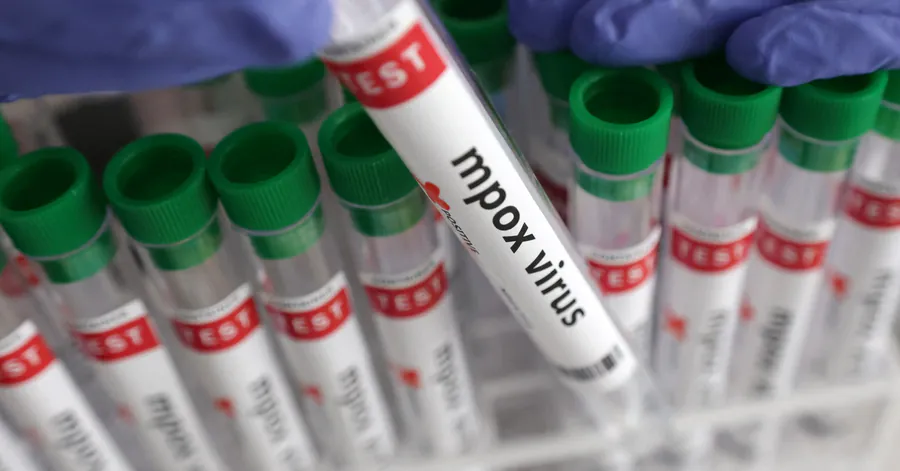
The consequences are real and mounting. The FDA-approved mRNA flu vaccine (mFlusiva) has no CDC recommendation. Updated COVID-19 vaccines were left in limbo for months. And a reassessment of HPV vaccine dosing — already underway before Kennedy's intervention — remains derailed.
Key Takeaways:
Why it matters: When the federal vaccine guidance system breaks down, it's not just a bureaucratic problem — it's a public health one. Doctors lose a trusted playbook, insurers face coverage uncertainty, and patients are left wondering which shots they actually need. The longer this vacuum persists, the greater the risk of eroding vaccine confidence and leaving Americans without the best available protection against preventable diseases.