Curie Brief
Turn on cookies to sign in
Signing in saves your progress to your Curie account. We can only do that with cookies on — turn them on to continue.
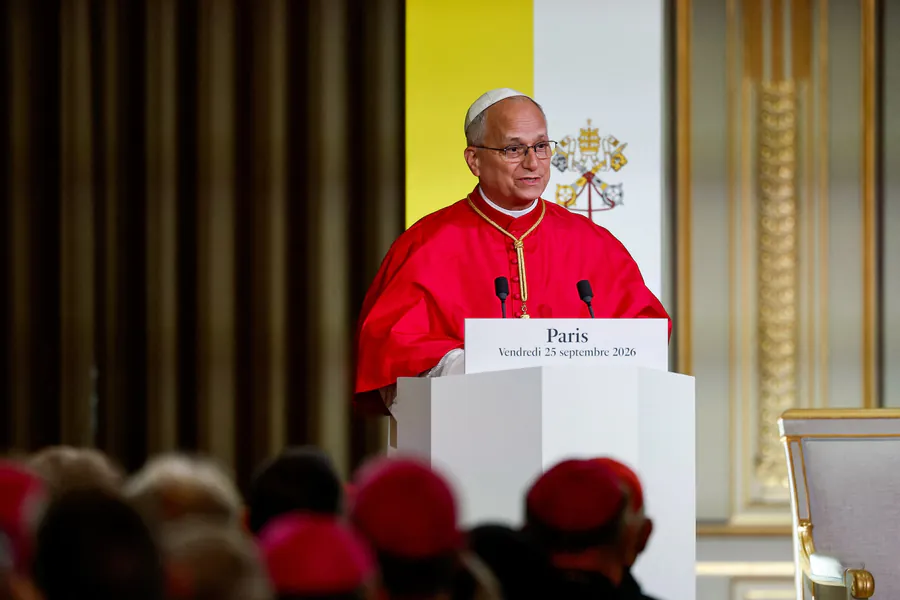
Pope Leo used his visit to France to publicly oppose assisted dying laws, just two months after the country legalized the right to die for those with incurable illnesses. Speaking at the Élysée Palace, he warned against turning science and technology into "profit-driven ventures" — without naming France's law directly. The remarks reflect the Catholic Church's longstanding opposition to end-of-life legislation.
Pope Leo, the first American pope, made his stance on end-of-life legislation crystal clear during a high-profile visit to France this week. Speaking at the Élysée Palace before President Emmanuel Macron and other dignitaries, he reaffirmed the Catholic Church's firm opposition to assisted dying — just two months after France enacted a landmark law granting those with incurable illnesses a legal right to die.
While the pope stopped short of naming France's law directly, his message was unmistakable. He expressed concern over societal trends that risk turning "science and technology into profit-driven ventures," citing genetic manipulation, surrogacy, organ trafficking, and assisted dying in the same breath. French Catholic bishops had already voiced heated opposition to the new law when it passed.
Key Takeaways:
Why it matters: France's assisted dying law represents one of the most significant shifts in European end-of-life policy in recent years. The pope's public rebuke — delivered on French soil — signals that religious and ethical debates around the law are far from settled, with potential implications for how similar legislation is debated across other predominantly Catholic nations.