Curie Brief
Turn on cookies to sign in
Signing in saves your progress to your Curie account. We can only do that with cookies on — turn them on to continue.
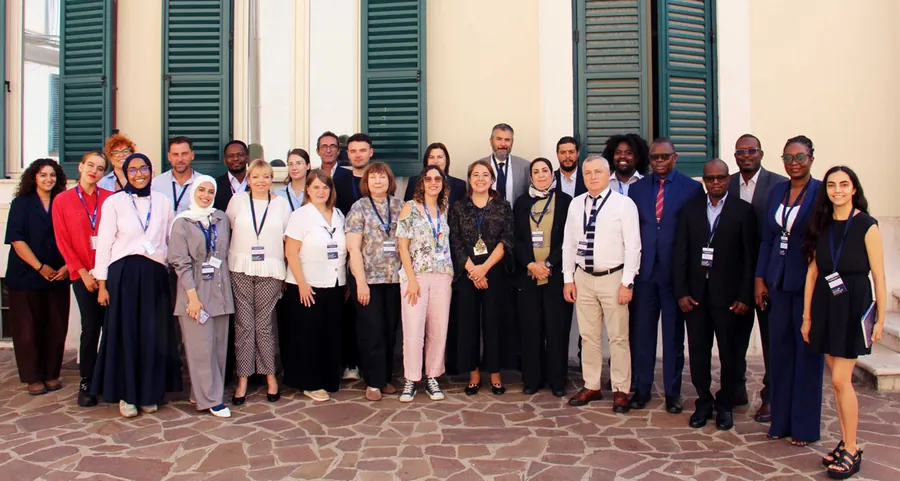
Global health leaders are doubling down on equitable care for displaced populations. Experts from seven countries met in Rome for WHO's second Global Orientation Course on Refugee and Migrant Health, focusing on translating global competency standards into real-world health system action. The goal: build inclusive, culturally responsive care for refugees, migrants, and host communities alike.
Health leaders from seven countries and territories gathered in Rome for WHO's second Global Orientation Course for Policy-makers on Refugee and Migrant Health, co-organized by WHO's Health and Migration Programme and Italy's National Institute for Health, Migration and Poverty (INMP). The four-day course focused on translating the WHO Global Competency Standards into practical, country-level action to improve health outcomes for refugees and migrants.
Participants tackled workforce development, culturally responsive care, governance, and multisectoral coordination through technical sessions and peer exchange. Countries shared promising practices — from Albania's coordinated referral pathways to Tanzania's border health preparedness — demonstrating how diverse health systems are adapting to meet the needs of people on the move.
Quick Facts
Why it matters: As global displacement rises, health systems that can't serve migrant and refugee populations risk widening health inequities. This course signals a growing international commitment to turning policy pledges into tangible, inclusive care — a critical step toward universal health coverage.