Curie Brief
Turn on cookies to sign in
Signing in saves your progress to your Curie account. We can only do that with cookies on — turn them on to continue.
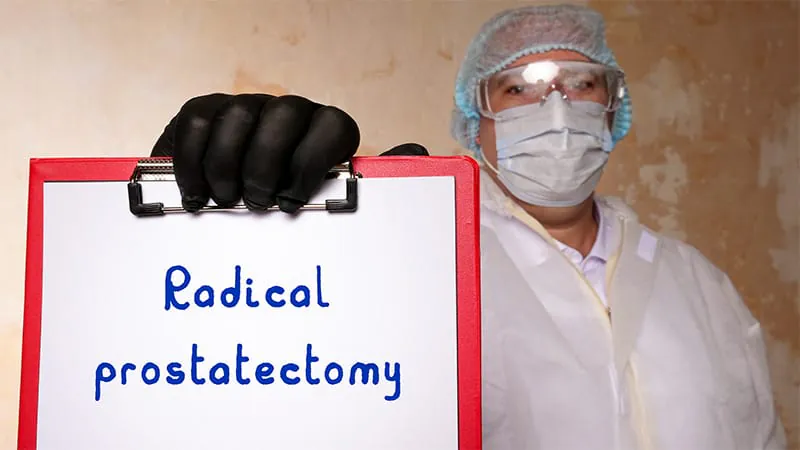
Active surveillance before prostate surgery raises risk of worse outcomes. A large Norwegian study found that men with low- or intermediate-risk prostate cancer who delayed radical prostatectomy after active surveillance were nearly twice as likely to have adverse pathologic findings compared to those who had surgery within a year of diagnosis. Post-surgery cancer treatment rates were also significantly higher in the delayed group.
A nationwide Norwegian study is raising questions about the timing of surgery for prostate cancer patients on active surveillance. Researchers found that men with low- or intermediate-risk prostate cancer who eventually underwent radical prostatectomy after a period of active surveillance faced significantly worse pathological outcomes than those who had surgery within a year of diagnosis.
The study, published in the World Journal of Urology, analyzed data from over 7,600 men in the Norwegian Prostate Cancer Registry diagnosed between 2009 and 2022. Those who delayed surgery had a median wait time of 23 months before proceeding to the operating room.
By the Numbers:
Why it matters: While survival rates remained similar between groups, the higher rates of adverse pathology and need for additional treatment after delayed surgery suggest that active surveillance protocols may need to be more risk-adapted — with closer monitoring for men showing signs of progression, such as rising PSA levels.