Curie Brief
Turn on cookies to sign in
Signing in saves your progress to your Curie account. We can only do that with cookies on — turn them on to continue.
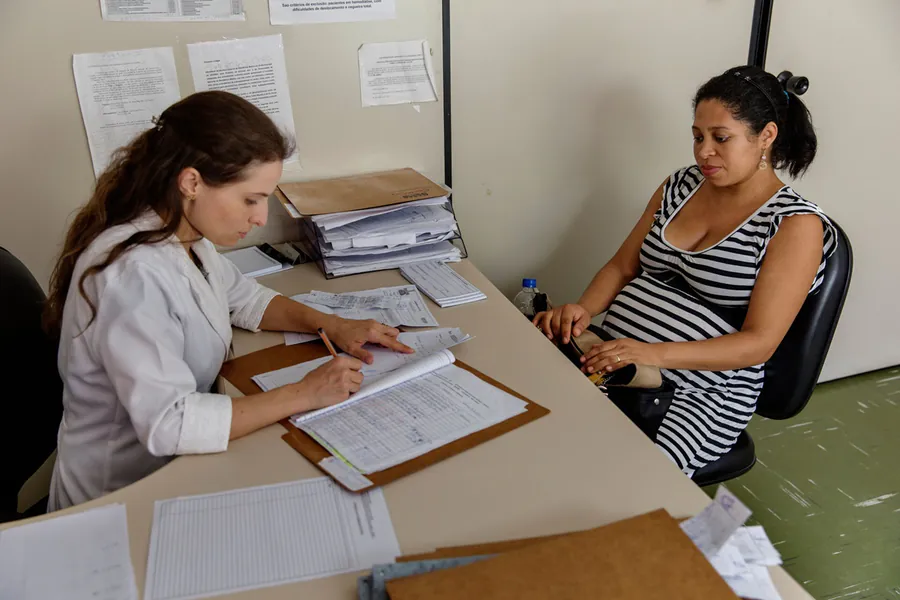
WHO is refreshing its decade-old guidance on diagnosing high blood sugar during pregnancy. Affecting 1 in 6 live births globally, gestational hyperglycemia raises risks of stillbirth, birth injury, and other serious complications. Updated recommendations are expected in 2026, with a Guideline Development Group meeting set for October to review the latest evidence on screening and diagnosis.
The World Health Organization is updating its 2013 recommendations on diagnosing and classifying high blood sugar (hyperglycemia) during pregnancy — a condition that touches a staggering number of families worldwide. A Guideline Development Group (GDG) is convening October 20–24, 2026 to review the latest evidence and shape the new guidance, which is expected to be released later this year.
The update follows WHO's first-ever comprehensive care recommendations for pregnant women with diabetes, published in November 2025. New research has emerged on how best to screen, diagnose, and classify gestational hyperglycemia — particularly in low- and middle-income countries where undiagnosed pre-existing diabetes is common and resources are limited.
By the Numbers:
Why it matters: Accurate, up-to-date diagnostic criteria are essential for getting the right care to the right patients. Clearer global guidance could meaningfully reduce maternal and newborn complications — especially in under-resourced settings where the stakes are highest.