Curie Brief
Turn on cookies to sign in
Signing in saves your progress to your Curie account. We can only do that with cookies on — turn them on to continue.
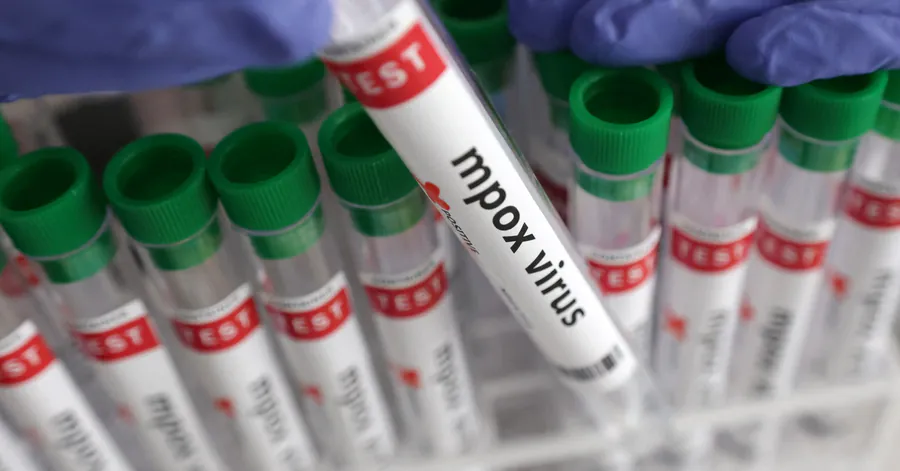
The WHO is broadening its prequalification programme to cover more essential medical devices, including condoms, IUDs, and AI-powered TB screening software. The move aims to boost access to quality-assured health products, especially in countries with weak regulatory systems. It also brings sexual and reproductive health devices previously managed by UNFPA under WHO's unified framework.
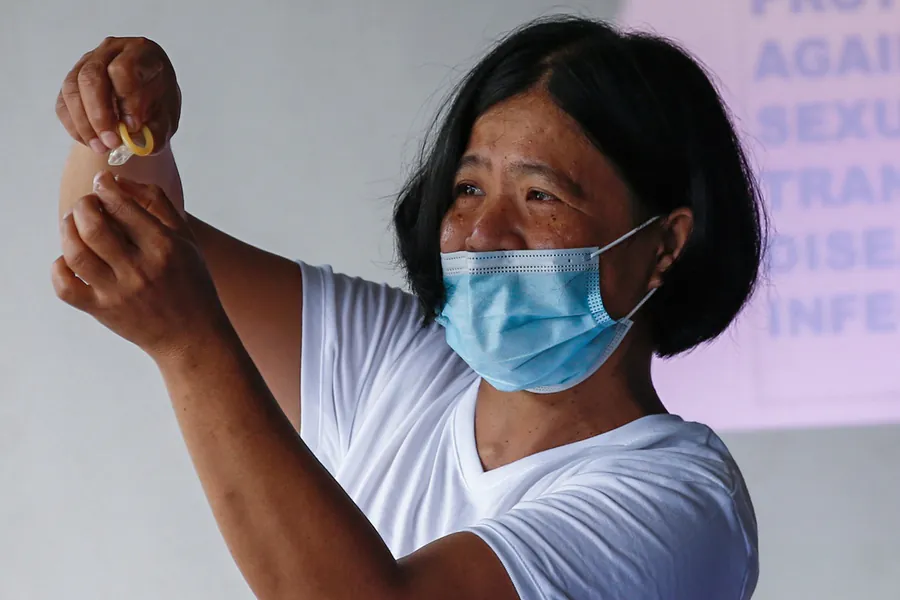
The World Health Organization (WHO) has announced a major expansion of its prequalification programme, extending its quality-assurance seal to a broader range of medical devices. The updated programme now covers male and female condoms, intrauterine devices (IUDs), male circumcision devices, and computer-aided detection (CAD) software for tuberculosis (TB) screening — tools that are critical in low- and middle-income countries where regulatory oversight is often limited.
A notable shift in the expansion is the transfer of prequalification authority for condoms and IUDs from the UN Population Fund (UNFPA) to WHO, consolidating oversight under one global framework. Meanwhile, CAD-TB software — which uses AI to analyze chest X-rays for signs of TB — marks the programme's first foray into digital health technology, enabling earlier detection in high-burden settings.
Key Takeaways:
Why it matters: For healthcare providers and procurement agencies working in global health, WHO prequalification is the gold standard for product safety and efficacy. Expanding it to these devices means more countries can confidently source quality-assured tools for family planning, HIV prevention, and TB control — closing critical gaps in global health equity.