Curie Brief
Turn on cookies to sign in
Signing in saves your progress to your Curie account. We can only do that with cookies on — turn them on to continue.
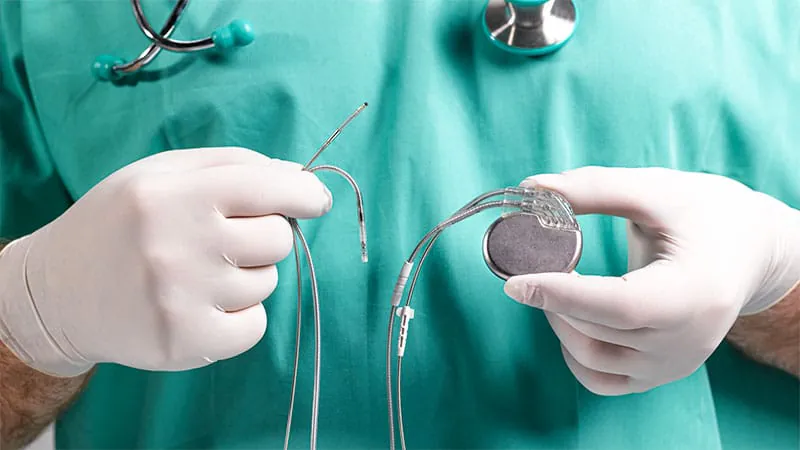
Getting a pacemaker after heart surgery isn't without long-term consequences. A large Swedish study found that patients who received a permanent pacemaker within 30 days of cardiac surgery faced significantly higher risks of dying and being hospitalized for heart failure. The findings suggest doctors should consider pacing strategies that minimize heart strain from the start.
Getting a pacemaker after heart surgery may be lifesaving in the moment, but a new study suggests it comes with serious long-term trade-offs. Researchers analyzed data from over 76,000 adults who underwent cardiac surgery in Sweden between 2006 and 2020, tracking outcomes for an average of nearly 7 years. Those who received a permanent pacemaker within 30 days of surgery had meaningfully higher risks of death and heart failure hospitalization compared to those who didn't.
Implantable cardioverter defibrillators (ICDs), used in a smaller subset of patients, told a slightly different story — they weren't linked to higher overall mortality, but were associated with a doubled risk of heart failure hospitalization and a higher risk of cardiovascular death specifically.
By the Numbers:
Why it matters: These findings don't mean pacemakers should be avoided — they're often essential. But they do signal that clinicians should proactively choose pacing strategies that reduce ventricular dyssynchrony and watch closely for signs of pacing-related heart failure in post-surgical patients.