Curie Brief
Turn on cookies to sign in
Signing in saves your progress to your Curie account. We can only do that with cookies on — turn them on to continue.
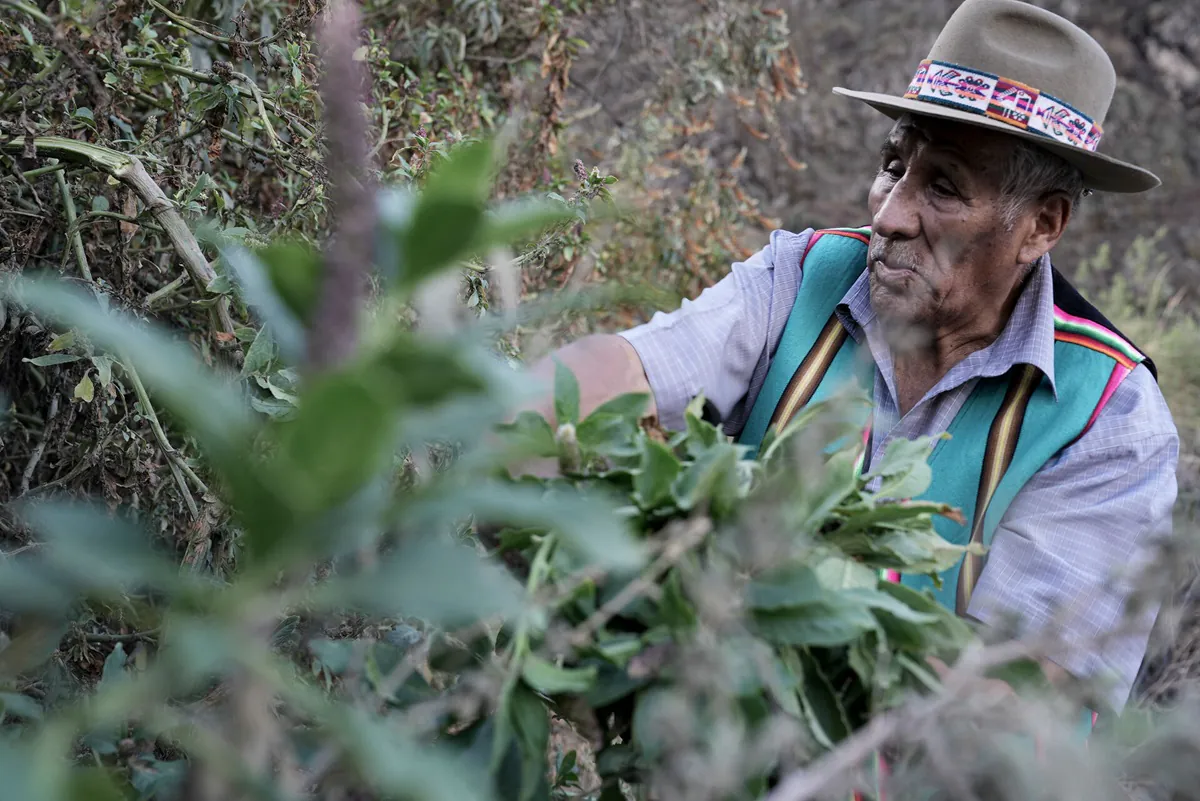
WHO's herbal medicine regulators are getting on the same page. The WHO-IRCH Working Group 2 convened an online workshop bringing together 80 participants from 18 member countries to align on quality control, standardization, and safety of herbal medicines. The session supports the WHO Global Traditional Medicine Strategy 2025–2034 and will feed into the 17th WHO-IRCH Annual Meeting in December 2026.
The World Health Organization brought together regulators and technical experts from around the globe to tackle a growing challenge: ensuring herbal medicines meet consistent quality and safety standards. The WHO-IRCH Working Group 2 workshop, organized by China's National Institutes for Drug Control, convened 80 participants from 18 member countries to share regulatory experiences and identify areas for deeper cooperation.
Discussions covered practical topics like botanical identification, laboratory testing, and regulatory oversight — with insights contributed by experts from Uganda, Sri Lanka, the United States Pharmacopeia, and China. The session is part of WHO's broader push to implement its Global Traditional Medicine Strategy 2025–2034, which aims to strengthen regulatory capacity across member states.
Quick Facts:
Why it matters: With herbal medicines widely used across the globe, inconsistent quality and safety standards pose real public health risks. This international cooperation effort is a step toward harmonizing oversight — helping ensure that patients everywhere have access to herbal products that are safe, effective, and properly regulated.