Curie Brief
Turn on cookies to sign in
Signing in saves your progress to your Curie account. We can only do that with cookies on — turn them on to continue.
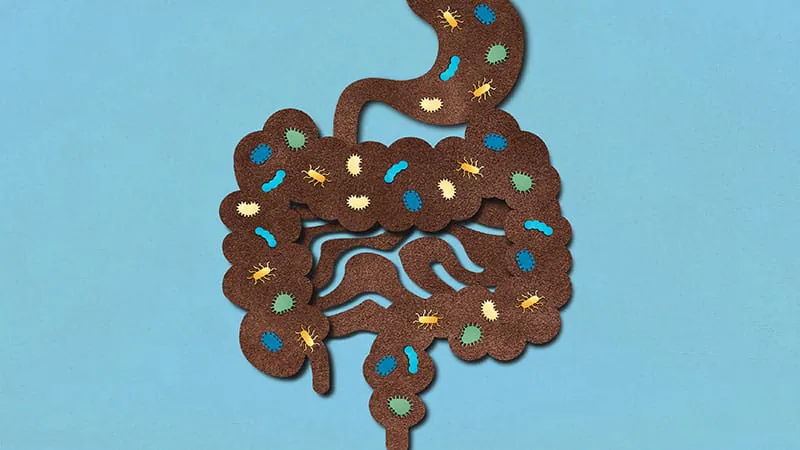
The gut microbiome does more than digest food — it may be quietly influencing hormone-dependent cancers like breast cancer. A new review expands the concept of the "estrobolome" into a full endocrine-microbiota axis, revealing a two-way relationship between gut bacteria and hormones. Dysbiosis, microbial metabolites, and local tissue microbiota may all drive tumor development, while microbiome-targeted therapies remain promising but still experimental.
The gut microbiome's role in hormone-dependent cancers goes deeper than previously thought. A new review proposes an "endocrine-microbiota axis" — a bidirectional relationship where gut bacteria influence hormone metabolism and hormones reshape microbial communities. This matters most for breast cancer, where nearly 80% of tumors are hormone-sensitive. The older concept of the estrobolome (bacteria that reactivate estrogens via specific enzymes) is now seen as just one piece of a much bigger picture.
Several mechanisms may link microbiome disruption to cancer development: gut dysbiosis can break down the intestinal barrier, triggering chronic low-grade inflammation; microbial metabolites may cause DNA damage or epigenetic changes; and local microbiota in breast and endometrial tissue may remodel the tumor microenvironment. Major hormonal life events — puberty, pregnancy, menopause — also appear to shift microbial composition in ways that could affect long-term cancer risk.
Key Takeaways:
Why it matters: Microbiome-targeted strategies — including probiotics, prebiotics, enzyme inhibitors, and fecal transplants — are under investigation, but evidence remains largely preclinical. Large-scale trials are needed to translate these findings into real clinical benefit.