Curie Brief
Turn on cookies to sign in
Signing in saves your progress to your Curie account. We can only do that with cookies on — turn them on to continue.
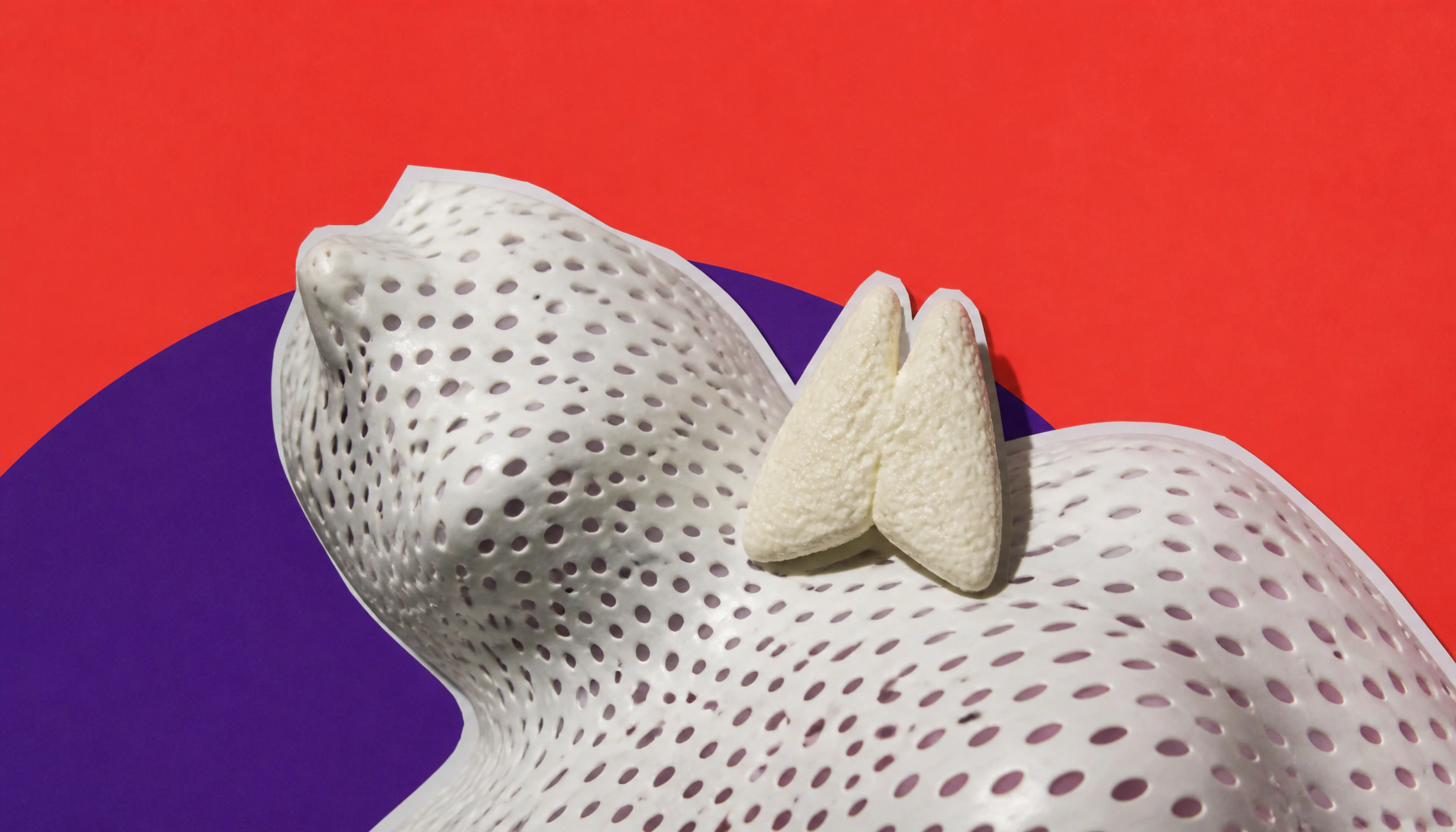
The thymus — long dismissed as irrelevant in adults — may actually be a critical player in cancer outcomes and immune health. A multi-cohort study of 1,107 NSCLC patients found that incidental thymic radiation during lung cancer treatment significantly raised the risk of distant metastases and death. Researchers say sparing the thymus during radiotherapy could be a simple, life-saving adjustment.
For decades, clinicians assumed the thymus — the organ responsible for training T cells during childhood — becomes irrelevant once it shrinks in adulthood. New research is turning that assumption on its head. A multi-cohort study published in Annals of Oncology found that incidental radiation to the thymus during lung cancer treatment is independently associated with a significantly higher risk of distant metastases and, in some analyses, death.
The study analyzed 1,107 patients with locally advanced NSCLC across three cohorts. Using an AI-powered deep learning model applied to routine CT scans, researchers quantified "thymic health" before and after radiotherapy. The effect was most pronounced in patients who had preserved thymic function before treatment — and strongest in those who subsequently received immunotherapy (durvalumab), suggesting that thymic damage undermines the immune system's ability to fight cancer. The good news? Researchers found that thymic-sparing replanning is technically feasible using existing tools, without compromising tumor coverage.
By the Numbers:
Why it matters: As immunotherapy becomes central to cancer care, protecting immune organs like the thymus during treatment may be just as important as targeting the tumor. Thymic sparing could be a straightforward, low-cost intervention with meaningful survival benefits — though prospective trials are still needed to confirm it.