Curie Brief
Turn on cookies to sign in
Signing in saves your progress to your Curie account. We can only do that with cookies on — turn them on to continue.
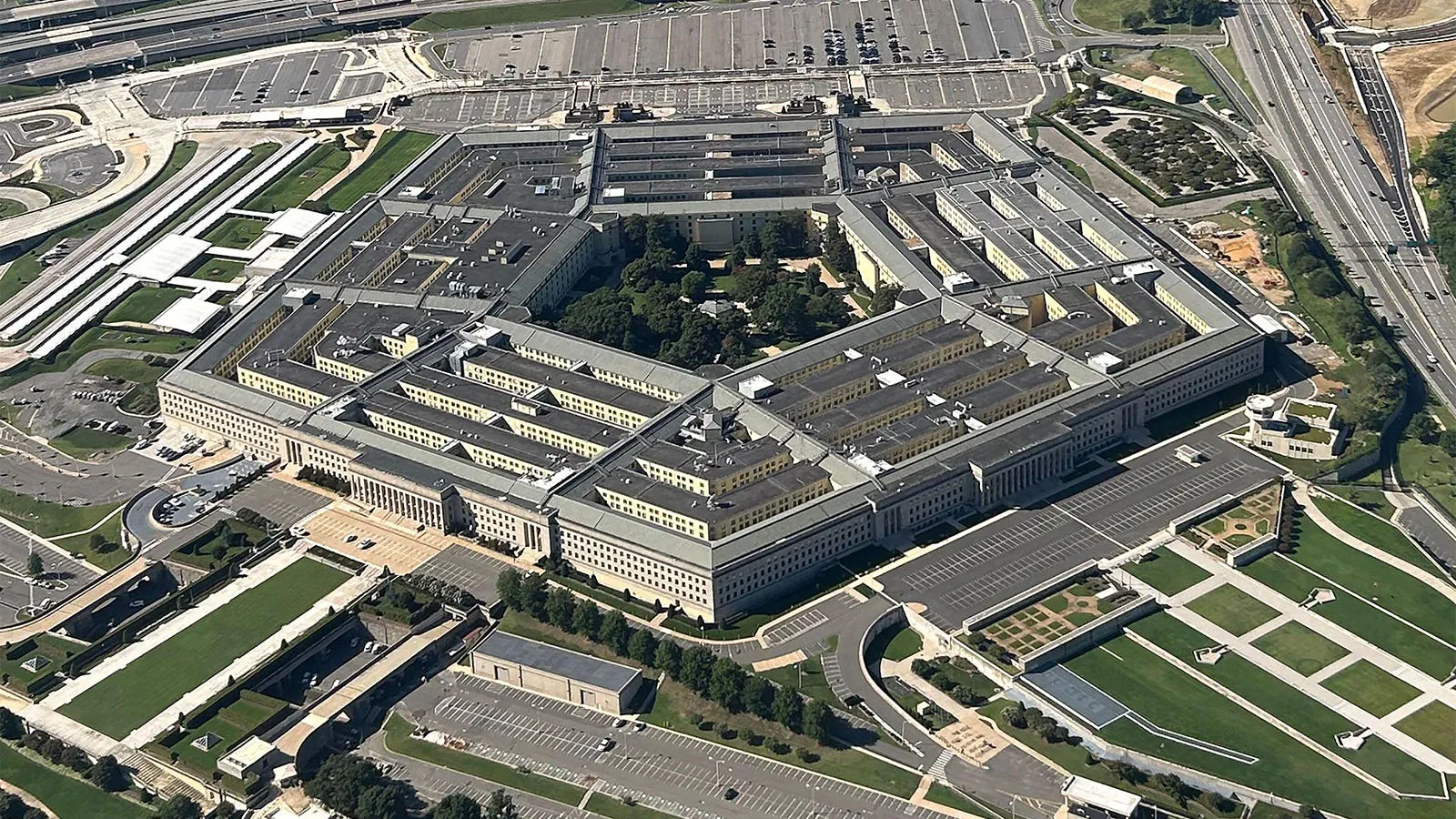
A Harvard- and MIT-trained bioengineer who survived cancer thanks to a bone marrow transplant is sounding the alarm on NIH budget cuts. From a 25% drop in new research grants to a proposed transfer of hundreds of millions to the Department of Defense, the agency that has powered decades of medical cures is under serious threat. The fallout? A shrinking pipeline of scientists and the future cures we may never see.
A Harvard- and MIT-trained bioengineer and cancer survivor, Dr. Brendan Harley, is making a deeply personal case for protecting NIH funding. The bone marrow transplant that saved his life in 1995 traces its roots to NIH-funded exploratory research from the 1950s — a reminder that today's curiosity-driven science becomes tomorrow's life-saving treatment. Now, he warns, that pipeline is being dismantled in real time.
Over the past two years, NIH has seen sweeping funding cuts, workforce reductions, and political interference in grant decisions. A proposed deal to redirect hundreds of millions of NIH dollars to the Department of Defense — an agency with a budget already 20 times larger — has added fresh alarm. Dr. Harley himself had an R01 grant frozen mid-project, halting graduate student pay and ongoing experiments, until he removed politically flagged language from his proposal.
By the Numbers:
Why it matters: The cures of tomorrow — from cancer immunotherapy to mRNA vaccines — are built on decades of NIH-funded foundational science. Gutting that investment doesn't just slow progress; it risks erasing the next generation of researchers and the breakthroughs they would have delivered.