Curie Brief
Turn on cookies to sign in
Signing in saves your progress to your Curie account. We can only do that with cookies on — turn them on to continue.
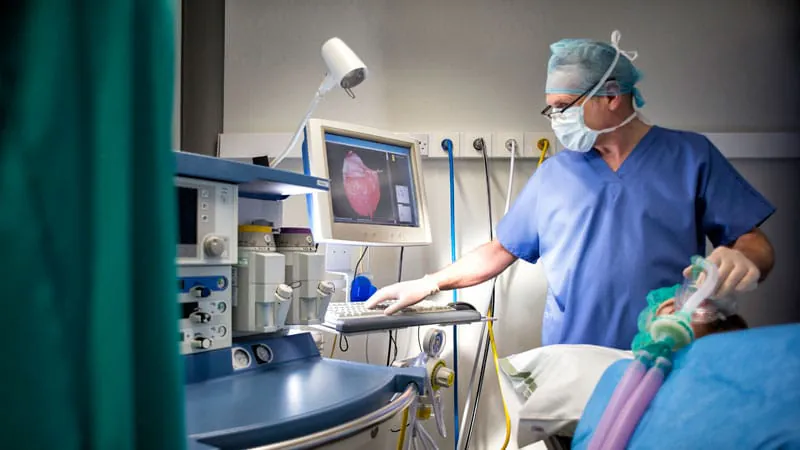
When things go wrong in the OR, anesthesiologists pay a steep emotional price. A new survey finds that over 90% experienced psychosocial symptoms after a perioperative catastrophe, nearly 1 in 5 never fully recovered emotionally, and almost a quarter considered leaving the field — yet nearly all received zero institutionally sanctioned time off.
A new survey published in Anesthesiology sheds light on the profound and lasting emotional toll that perioperative catastrophes take on anesthesiologists. Of 1,725 respondents, 94.2% reported being involved in at least one such event during their careers — and the aftermath was far from brief.
The psychological fallout was widespread: 91.6% reported psychosocial symptoms like self-doubt, grief, and loss of confidence, while 72.5% experienced physical symptoms including sleep disturbances and muscle tension. Most felt their ability to deliver care was impaired in the hours immediately following an event — yet 97.2% received no institutionally sanctioned time off.
Why it matters: There's a glaring gap between acknowledging clinician distress and actually supporting it. Without structured debriefing, peer support, and flexible duty relief built into standard practice, both clinician well-being and patient safety remain at risk.