Curie Brief
Turn on cookies to sign in
Signing in saves your progress to your Curie account. We can only do that with cookies on — turn them on to continue.
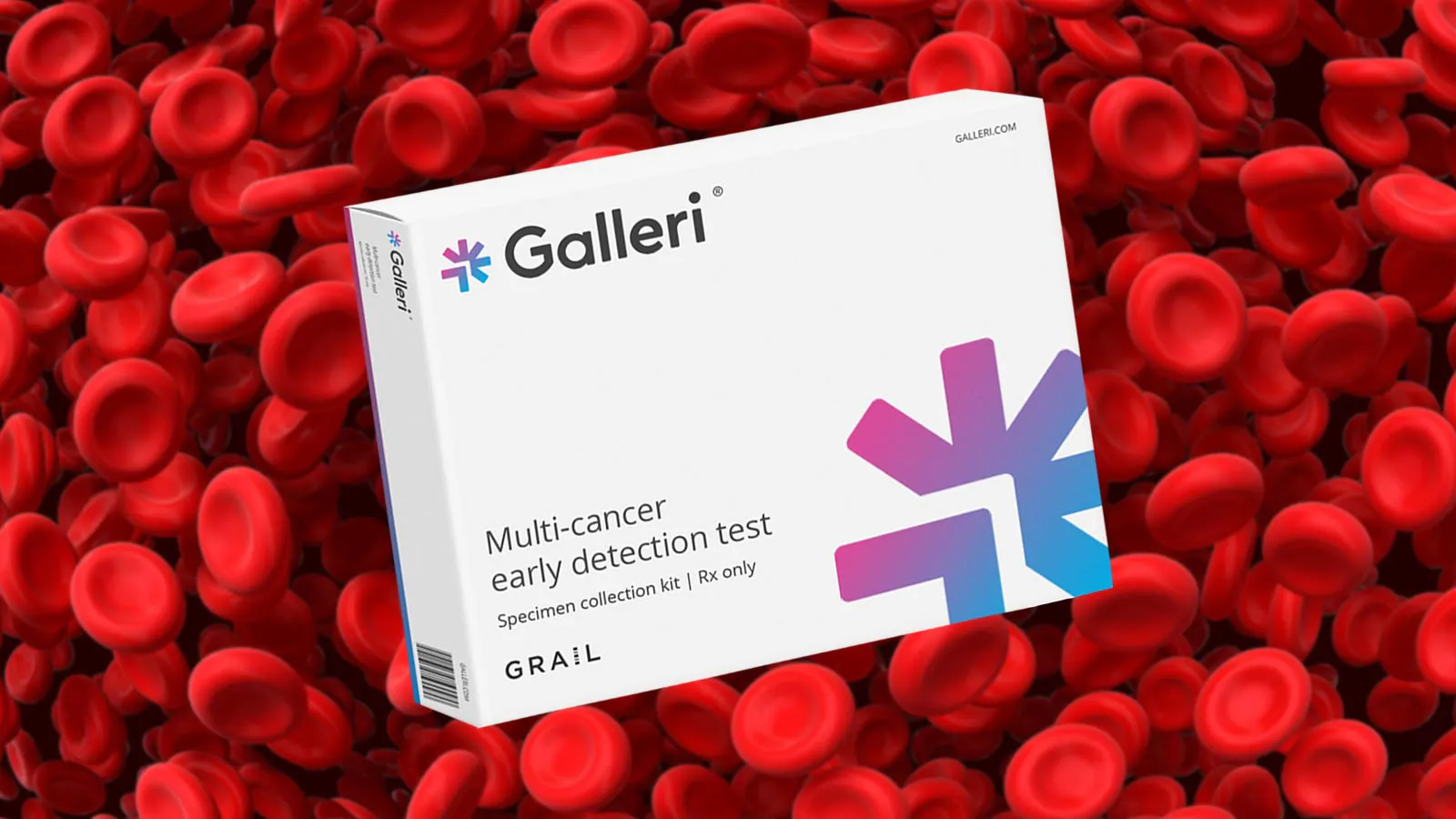
An FDA advisory committee voted to recommend the Galleri multicancer early detection blood test, though not without hesitation. The panel backed its safety unanimously (10-0) and endorsed its effectiveness and benefit/risk profile by narrower margins (6-4 and 7-2), with several "yes" voters expressing concern over the lack of clinical outcome data. The FDA typically follows its advisors' recommendations but is not required to do so.
An FDA advisory committee voted Thursday to recommend approval of the Galleri multicancer early detection (MCED) blood test — but the endorsement came with plenty of caveats. The panel voted 6-4 that the test is effective and 7-2 that its benefits outweigh its risks, while unanimously (10-0) declaring it safe. Several panelists who voted "yes" openly admitted reservations, with the central concern being the absence of hard clinical outcome data — meaning there's no direct evidence yet that catching cancers earlier with Galleri actually saves lives.
Galleri works by detecting cancer-specific methylation patterns in cell-free DNA from a blood sample, with performance data drawn from two large trials — PATHFINDER 2 and NHS-Galleri. The test showed strong specificity (>99%) and a high positive predictive value (~77% in PATHFINDER 2), translating to a low false-positive rate. Panelists were particularly swayed by its ability to detect cancers — like ovarian and thyroid — for which no standard screening tests currently exist. Notably, the NHS-Galleri trial failed to meet its primary endpoint of reducing late-stage cancer diagnoses.
By the Numbers:
Why it matters: FDA advisory panels rarely go against their own recommendations, so Galleri could soon become the first FDA-approved MCED blood test — a potentially transformative shift in how cancers are caught before symptoms appear. But with outcome data still pending, the debate over what "early detection" truly means — and whether it translates to lives saved — is far from over.