Curie Brief
Turn on cookies to sign in
Signing in saves your progress to your Curie account. We can only do that with cookies on — turn them on to continue.
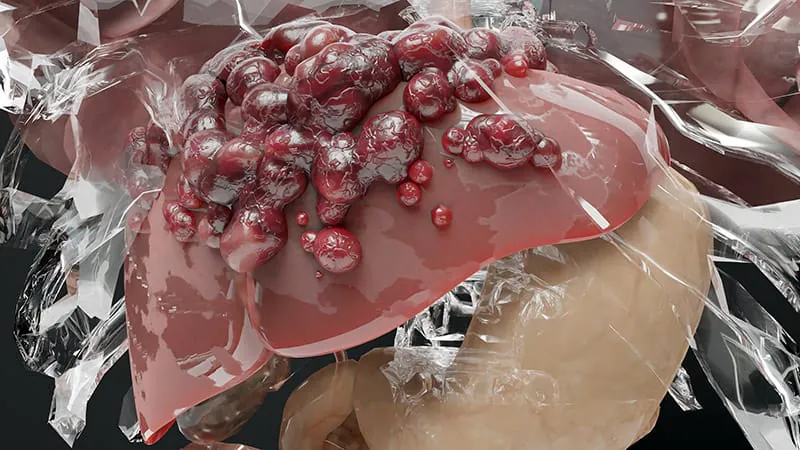
Women living with HIV and steatotic liver disease face significantly higher odds of serious liver scarring, a new study finds. While fatty liver disease was equally common in women with and without HIV, those with HIV were 48% more likely to develop clinically significant fibrosis. The risk climbed even higher when HIV viral load was detectable.
A new study published in JAIDS reveals that HIV infection significantly raises the risk of liver fibrosis in women who also have steatotic liver disease (SLD) — but not in women without SLD. Researchers analyzed data from 1,580 women (1,117 with HIV, 463 without) across a US multicenter cohort, using vibration-controlled transient elastography to assess liver steatosis and fibrosis.
Interestingly, SLD was equally prevalent in both groups (47% each), and the vast majority of cases (82%) fell into the metabolic dysfunction-associated SLD (MASLD) category. The real difference emerged when HIV and fatty liver disease overlapped — that combination was associated with 51% higher odds of clinically significant fibrosis.
By the Numbers:
Why it matters: For clinicians managing women with HIV, these findings underscore the importance of screening for liver disease — especially in those with uncontrolled viremia. Keeping viral load suppressed may be a key lever in reducing liver disease progression in this population.