Curie Brief
Turn on cookies to sign in
Signing in saves your progress to your Curie account. We can only do that with cookies on — turn them on to continue.
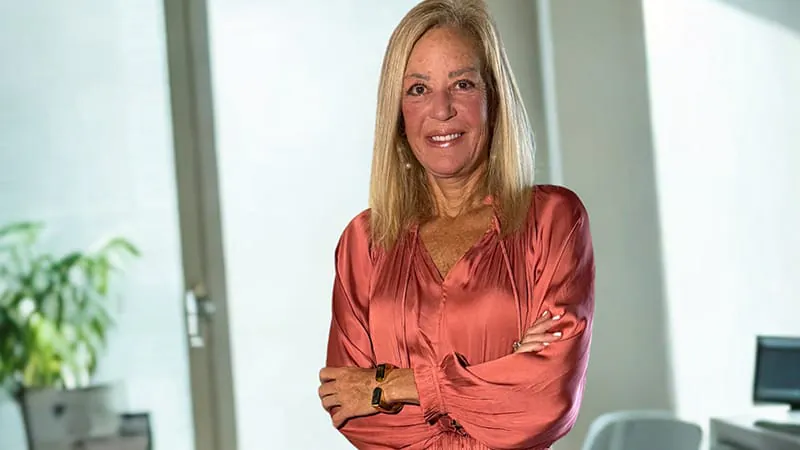
An endocrinologist with type 1 diabetes, hypothyroidism, and MS collapsed with septic shock — and found herself fighting not just for her life, but to be heard by her own care team. Her ICU intensivist dismissed her concerns despite worsening symptoms, revealing a critical gap between protocol-driven care and patient-centered compassion. She survived with a 10% predicted chance of survival and a powerful story to tell.
Andrea Hayes, MD, a retired endocrinologist managing three chronic illnesses, woke up one morning unable to stand — the quiet onset of septic shock. After three days of self-treating at home, her mother rushed her to the ER, where her blood pressure was dangerously low and her cognition impaired. She was eventually transferred to the ICU, where her intensivist relied solely on improving labs and vitals while dismissing her reports of worsening symptoms.
Despite receiving approximately 10 liters of IV fluids that rescued her blood pressure but triggered pulmonary edema and heart failure, Dr. Hayes was repeatedly told she was "getting better." When she reached out to physician colleagues for support, her intensivist accused her of undermining his authority. She was labeled a "difficult patient" — a painful irony for a doctor who had spent decades practicing with deep empathy for her own patients.
Key Takeaways:
Why it matters: This first-person account is a powerful reminder that compassionate, patient-centered care isn't a soft skill — it's a clinical imperative. When patients feel unheard, trust erodes, outcomes can worsen, and the therapeutic relationship breaks down entirely.