Curie Brief
Turn on cookies to sign in
Signing in saves your progress to your Curie account. We can only do that with cookies on — turn them on to continue.
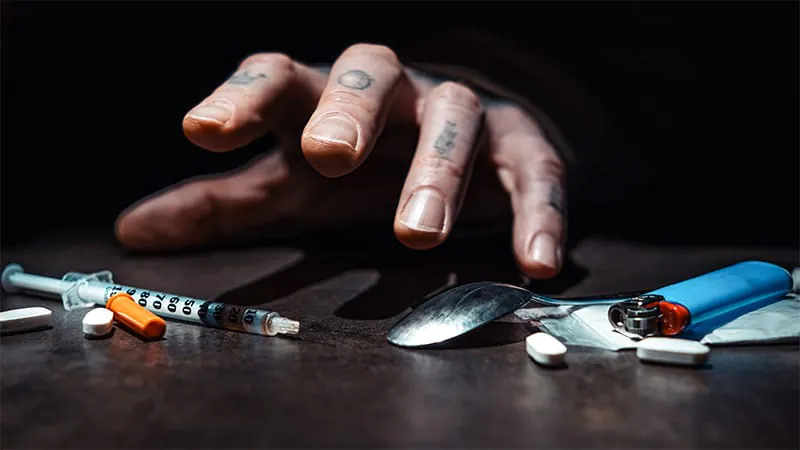
British Columbia's drug decriminalization pilot cut police arrests sharply — but didn't move the needle on overdose deaths or hospitalizations. A new CMAJ study found that BC's outcomes largely mirrored national trends, suggesting the policy alone wasn't enough to tackle the overdose crisis. Experts say a broader approach — including expanded addiction treatment, housing, and mental health support — is essential.
British Columbia ran a landmark drug decriminalization pilot from February 2023 to April 2024, making it one of the boldest drug policy experiments in North American history. A new study published in CMAJ found that while the policy dramatically reduced police-recorded drug possession incidents, it had no meaningful impact on drug toxicity deaths or hospitalizations — the outcomes it was most hoped to improve.
When BC partially recriminalized drug possession in May 2024, arrests climbed back up. Declines in drug-related hospitalizations during that period mirrored trends seen across the rest of Canada, suggesting national forces — not BC's policy shift — were driving those improvements.
By the Numbers
Why it matters: The BC experiment underscores that decriminalization alone isn't a silver bullet for the overdose crisis. Experts stress that meaningful progress requires a comprehensive strategy — expanded opioid agonist therapy (OAT), mental health care, stable housing, and harm reduction services — all working together within a well-resourced system.