Curie Brief
Turn on cookies to sign in
Signing in saves your progress to your Curie account. We can only do that with cookies on — turn them on to continue.
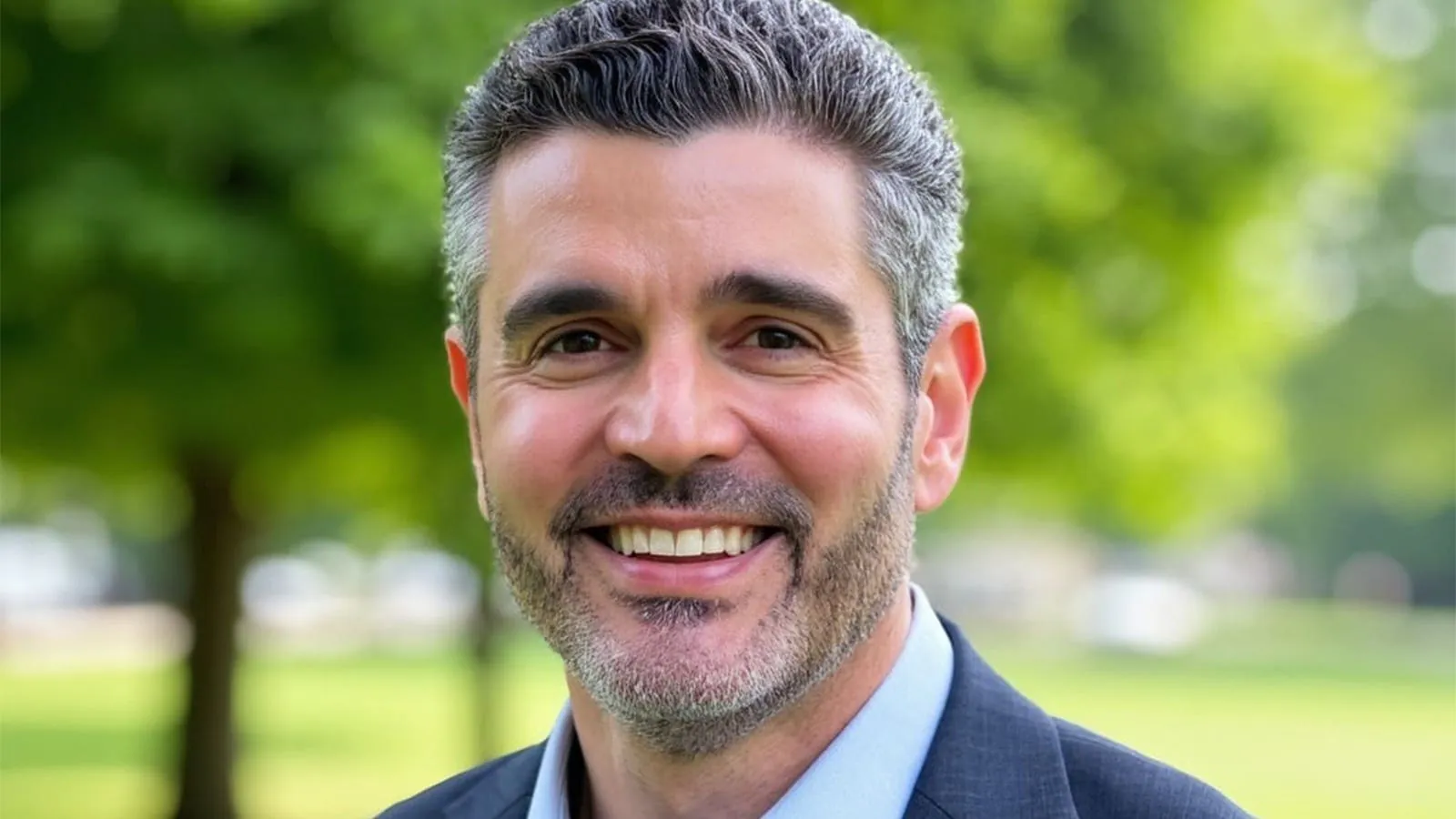
The newly appointed chair of the federal Interagency Autism Coordinating Committee (IACC) co-founded a telehealth company that provides leucovorin — a drug promoted but unproven as an autism treatment — to families of children with autism. John Gaitanis, MD, also recently named director of the NICHD, reportedly divested his financial stake before taking office, but ethics experts say the prior connection alone should be disqualifying.
The newly appointed chair of the federal Interagency Autism Coordinating Committee (IACC), John Gaitanis, MD, co-founded Meadow Health (formerly Meadow Biosciences) — a national telehealth platform that provides leucovorin to families of children with autism. Leucovorin, a folate derivative typically used alongside cancer drugs, has surged in popularity as an autism treatment despite lacking solid clinical evidence. Gaitanis, who was also named director of the NIH's National Institute for Child Health and Human Development (NICHD) in August, reportedly divested his financial interest in the company before assuming his federal roles.
Ethics experts aren't satisfied. NYU's Art Caplan, PhD, argues that even a prior association with a company promoting unproven remedies should be disqualifying, regardless of divestment. HHS has not confirmed the divestiture as of press time.
Key Takeaways:
Why it matters: Placing a federal official with prior financial ties to an unproven autism treatment at the helm of the nation's top autism policy body raises serious questions about scientific integrity and patient safety — especially as leucovorin use among children with autism continues to climb.