Curie Brief
Turn on cookies to sign in
Signing in saves your progress to your Curie account. We can only do that with cookies on — turn them on to continue.
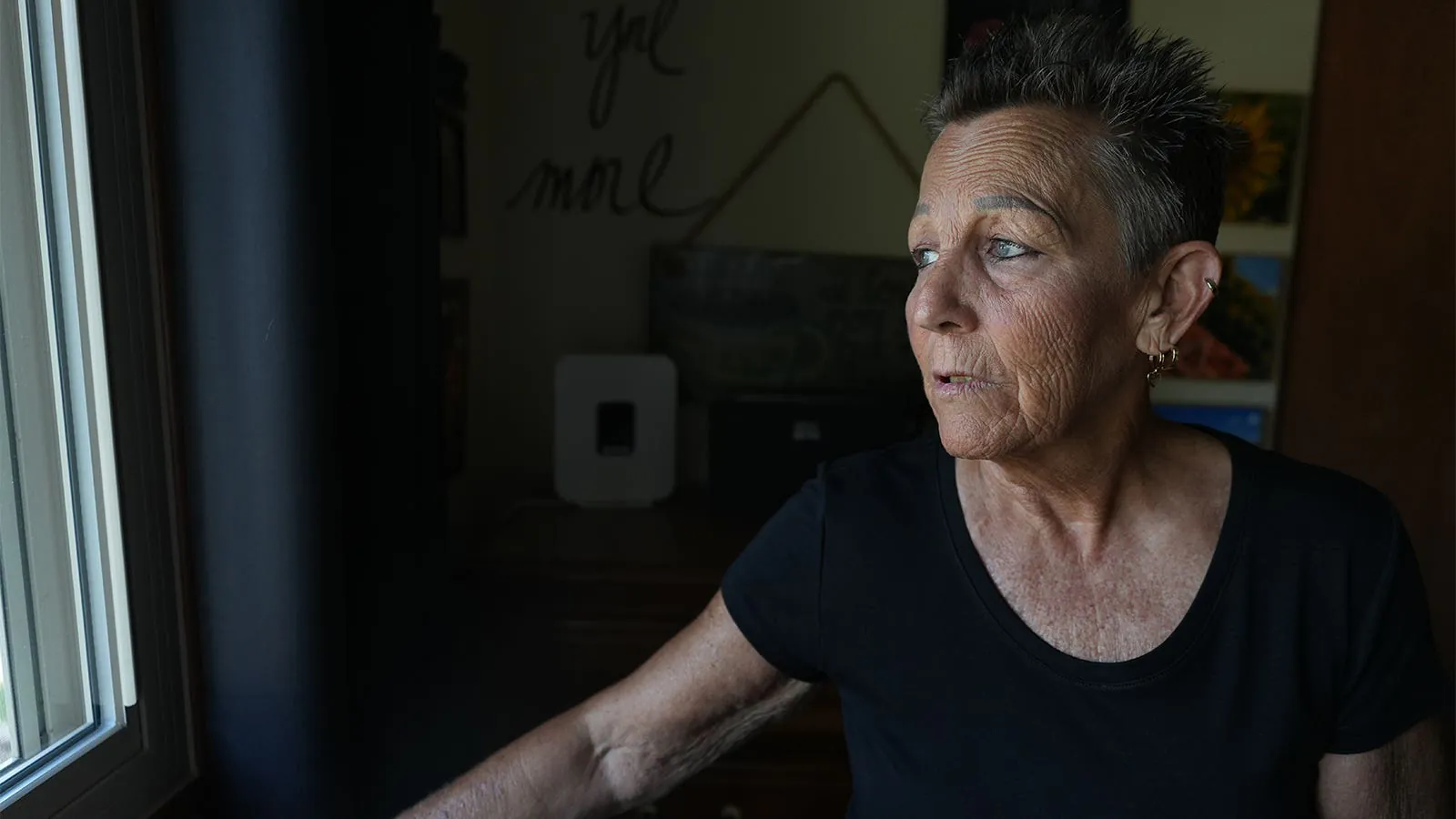
Medical aid in dying (MAID) is gaining legal ground across the U.S., with New York and Illinois becoming the latest states to pass legislation. Now about one-third of Americans live in a state where it's legal. But the issue remains deeply contested, with religious groups, disability advocates, and even Pope Leo XIV pushing back hard.
Medical aid in dying (MAID) — which allows terminally ill patients to end their lives with prescribed medication — has been legalized in 13 U.S. states plus Washington, D.C., following recent laws taking effect in New York (August) and Illinois (September). Oregon was the first to legalize it back in 1997, and the pace of legislation has been accelerating. Today, roughly one-third of Americans live in a state where MAID is legally available.
To qualify under these laws, patients must have an incurable illness with less than 6 months to live, demonstrate mental capacity to make a voluntary decision, and be able to self-administer the medication. Despite broad public support — nearly two-thirds of Americans don't view MAID as morally wrong, per Pew Research — actual usage remains extremely low, typically under 1% of annual deaths in any given state.
Opposition remains significant. Catholic leadership, many disability advocates, and the American Medical Association have raised moral and ethical objections. Pope Leo XIV personally urged Illinois Gov. J.B. Pritzker not to sign the bill, and lawsuits from Catholic healthcare groups have sought limited exemptions.
Key Takeaways:
Why it matters: As MAID expands to more populous states, clinicians will increasingly face end-of-life conversations with patients who may now have this option — making familiarity with eligibility criteria, institutional policies, and referral pathways more important than ever.