Curie Brief
Turn on cookies to sign in
Signing in saves your progress to your Curie account. We can only do that with cookies on — turn them on to continue.
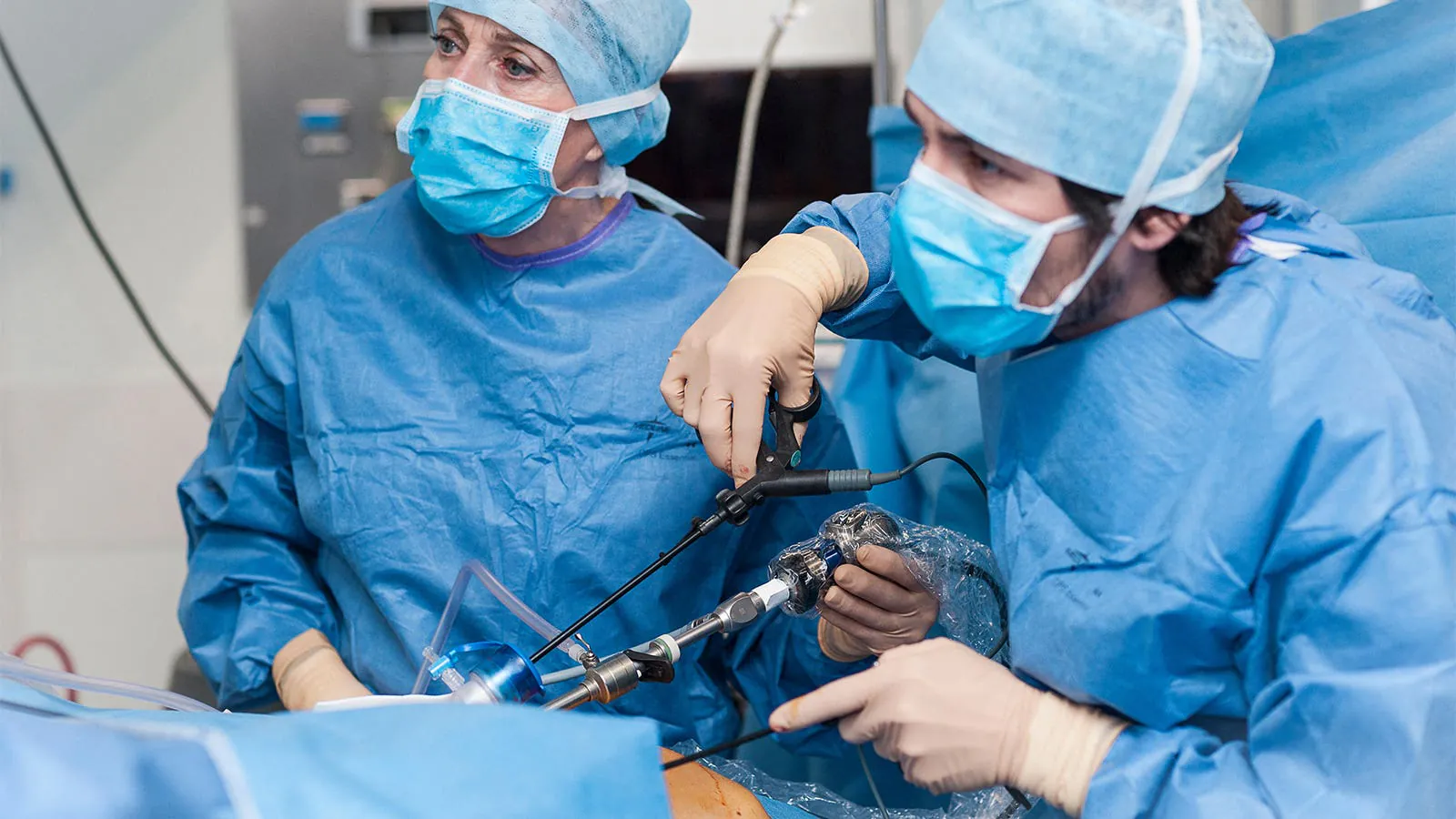
Even at 50, BRCA1 carriers face a nearly 24% lifetime ovarian cancer risk — making preventive surgery worth the conversation. A new JAMA Surgery study finds that risk-reducing bilateral salpingo-oophorectomy (BSO) remains beneficial well into older age for healthy BRCA carriers. Experts say individualized counseling — weighing cancer risk against fertility, menopause, and quality of life — is key.
Think it's too late for preventive ovarian cancer surgery? Think again. A large prospective cohort study published in JAMA Surgery found that healthy women with BRCA1 or BRCA2 gene variants retain substantial ovarian cancer risk well into their 50s and beyond — challenging the notion that older age should rule out risk-reducing bilateral salpingo-oophorectomy (BSO).
The study followed over 5,700 BRCA carriers across 24 international centers from 1995 to 2024, using life table analysis to estimate residual lifetime ovarian cancer risk at various ages. Researchers found that even women who delay BSO until age 50 face meaningful cancer risk — particularly BRCA1 carriers. The findings are intended to help clinicians and patients make more informed, individualized decisions about surgery timing, factoring in comorbidities, fertility goals, and quality-of-life considerations such as surgical menopause.
By the Numbers:
Why it matters: These updated risk estimates — higher than those in prior studies — give clinicians a sharper tool for counseling "previvors" on BSO timing. With ongoing trials exploring interval salpingectomy as a fertility-preserving alternative, the field is moving toward more nuanced, patient-centered prevention strategies.