Curie Brief
Turn on cookies to sign in
Signing in saves your progress to your Curie account. We can only do that with cookies on — turn them on to continue.
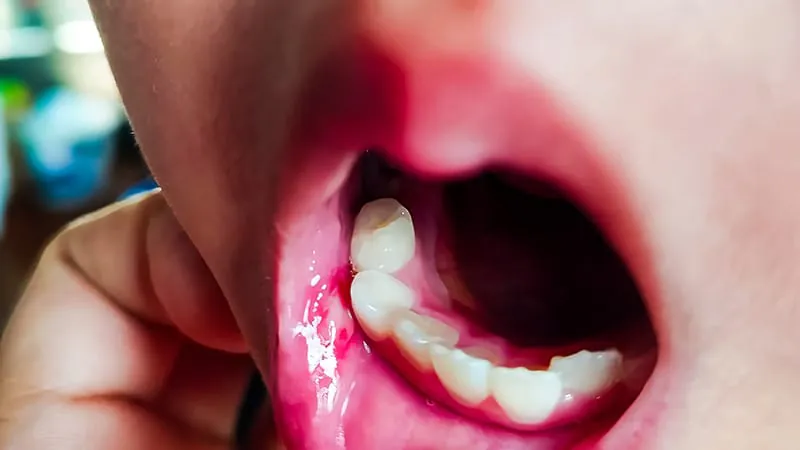
When children show up with recurring mouth ulcers, finding genital sores at the same time is a major red flag for serious underlying conditions. A new study found that genital aphthosis dramatically raises the odds of a systemic or chronic diagnosis — most often Behçet disease. Meanwhile, recurrent fever and throat symptoms actually pointed away from serious disease.
A new retrospective study out of Italy is giving pediatric clinicians a clearer roadmap for evaluating kids with recurring mouth ulcers. Researchers followed 404 children referred to a pediatric rheumatology clinic over 14 years and found that one early sign — genital aphthosis (sores on the genitals) — was a powerful predictor of a systemic or chronic condition lurking beneath the surface.
Of the 137 children ultimately diagnosed with a systemic or chronic illness, 22 out of 23 who had genital sores at their first visit were later diagnosed with Behçet disease or Behçet-like disease — a rare inflammatory condition that can affect multiple organ systems. On the flip side, kids with recurrent fever or tonsillitis/pharyngitis were far less likely to have a serious underlying diagnosis, suggesting a more benign, self-limited cause.
Key Takeaways:
Why it matters: For clinicians seeing kids with recurrent oral ulcers, this study highlights that a thorough physical exam — specifically checking for genital lesions — at the very first visit could be the key to catching serious conditions like Behçet disease early and avoiding diagnostic delays.