Curie Brief
Turn on cookies to sign in
Signing in saves your progress to your Curie account. We can only do that with cookies on — turn them on to continue.
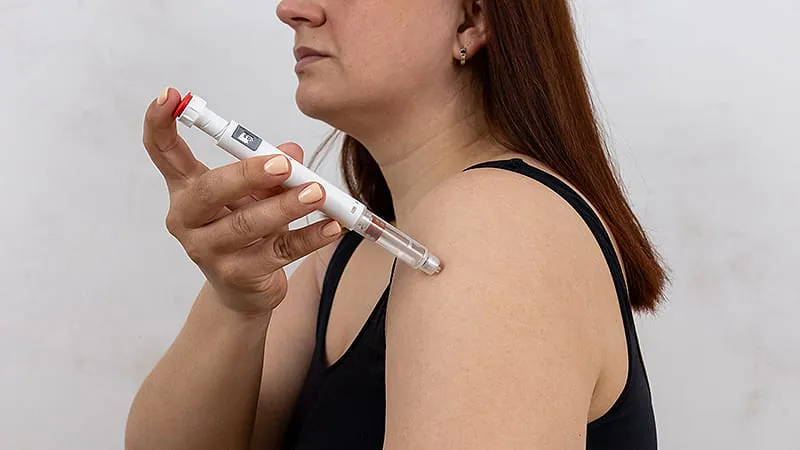
Off-label GLP-1 prescribing has skyrocketed 15-fold since 2021, with over a third of recipients having a normal BMI. A separate study found that nearly a third of eating disorder patients have used these drugs — and about 10% have misused them. Experts are now calling for routine eating disorder screening before any GLP-1 prescription is written.
GLP-1 receptor agonists were designed for diabetes and obesity — but they've taken on a life of their own. Among more than 92 million US adults without a qualifying diagnosis, off-label GLP-1 prescribing surged 15-fold between 2021 and 2025. Over a third of these recipients had a normal BMI, most were women, White, and privately insured — and they were six times more likely to have a history of eating disorders compared to non-recipients.
The eating disorder angle is raising serious red flags. A JAMA Psychiatry study found that 32% of eating disorder patients reported lifetime GLP-1 use — higher than the general population's 15% — and about 10% had misused the drugs (e.g., exceeding prescribed doses or using compounded versions). GLP-1 use was highest among those with binge eating disorder (>50%) and atypical anorexia nervosa (~42%). Clinicians warn that these drugs can reinforce restriction behaviors and worsen underlying eating pathology, especially as oral formulations and telemedicine access make them easier than ever to obtain.
Key Takeaways:
Why it matters: With GLP-1s now accessible via telemedicine with minimal oversight, the gap between who these drugs are approved for and who's actually getting them is widening — and patients with eating disorders may be among the most vulnerable to harm.