Curie Brief
Turn on cookies to sign in
Signing in saves your progress to your Curie account. We can only do that with cookies on — turn them on to continue.
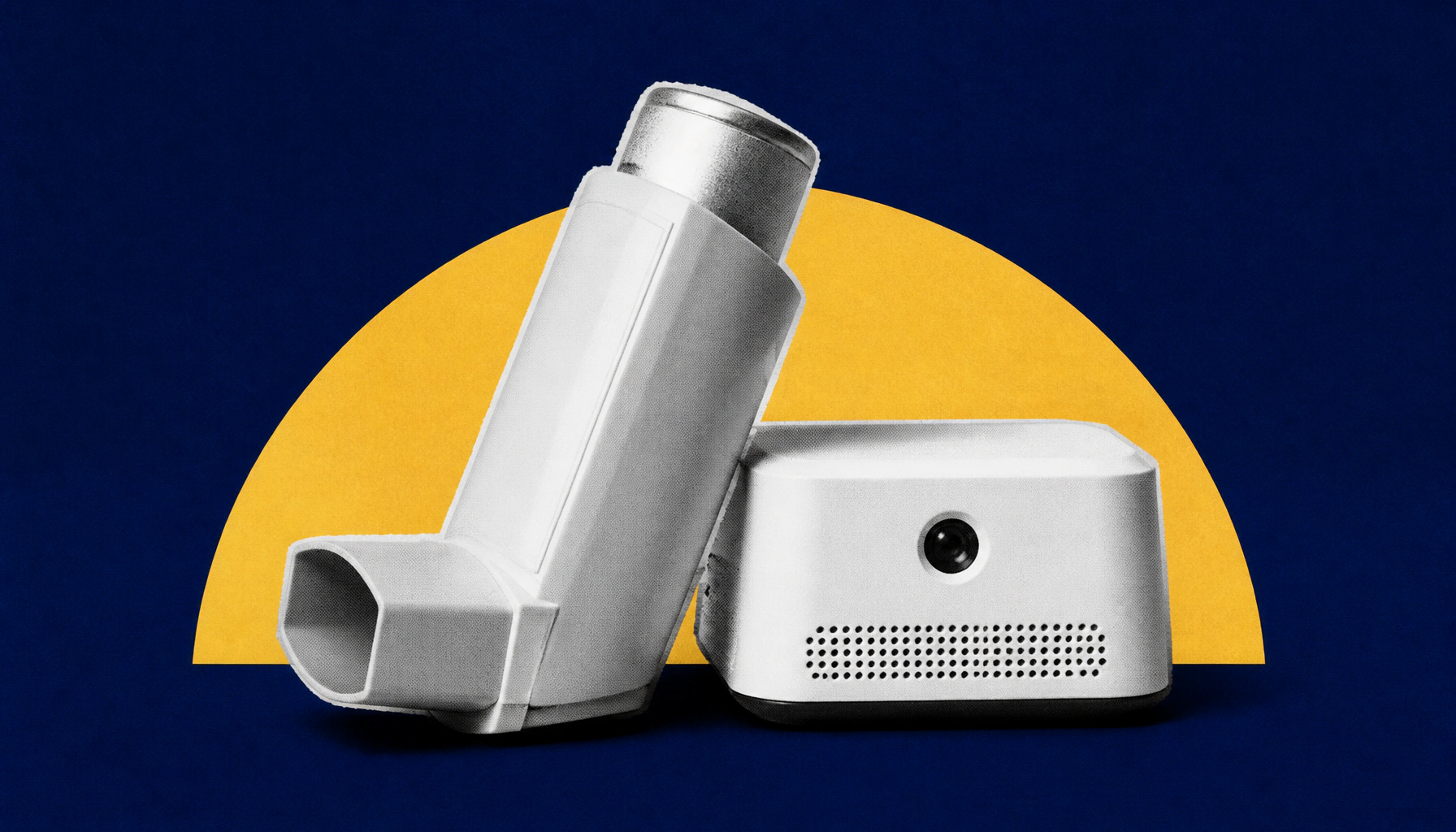
A new pilot study found that a fivefold spike in nighttime cough rate was linked to significantly higher odds of worse asthma symptoms in the following 1–3 days. Researchers used a contactless bedside device to passively monitor 13 adults with severe uncontrolled asthma over up to 12 months. The findings suggest nocturnal cough tracking could one day help clinicians catch asthma flares before they escalate.
For people with severe uncontrolled asthma, the number of times they cough at night might be telling a story their daytime check-ins can't. A pilot study presented at the European Respiratory Society International Congress found that a fivefold rise in nocturnal cough rate was significantly associated with higher odds of worsening asthma symptoms over the next three days — without patients having to do a thing.
The study used the Albus Home device, a contactless bedside monitor that tracks nighttime cough and other physiological signals without requiring patients to wear anything. Among 13 adults with severe uncontrolled asthma, adherence was remarkably high — a median of 335 out of 365 nights recorded — suggesting the passive approach is both practical and well-tolerated.
By the Numbers:
Why it matters: Current asthma monitoring relies heavily on patient-reported symptoms and periodic clinic visits — tools that can miss gradual day-to-day deterioration. Passive nocturnal cough monitoring could give clinicians a more continuous, objective window into disease activity, potentially enabling earlier intervention before a full-blown exacerbation occurs.