Curie Brief
Turn on cookies to sign in
Signing in saves your progress to your Curie account. We can only do that with cookies on — turn them on to continue.
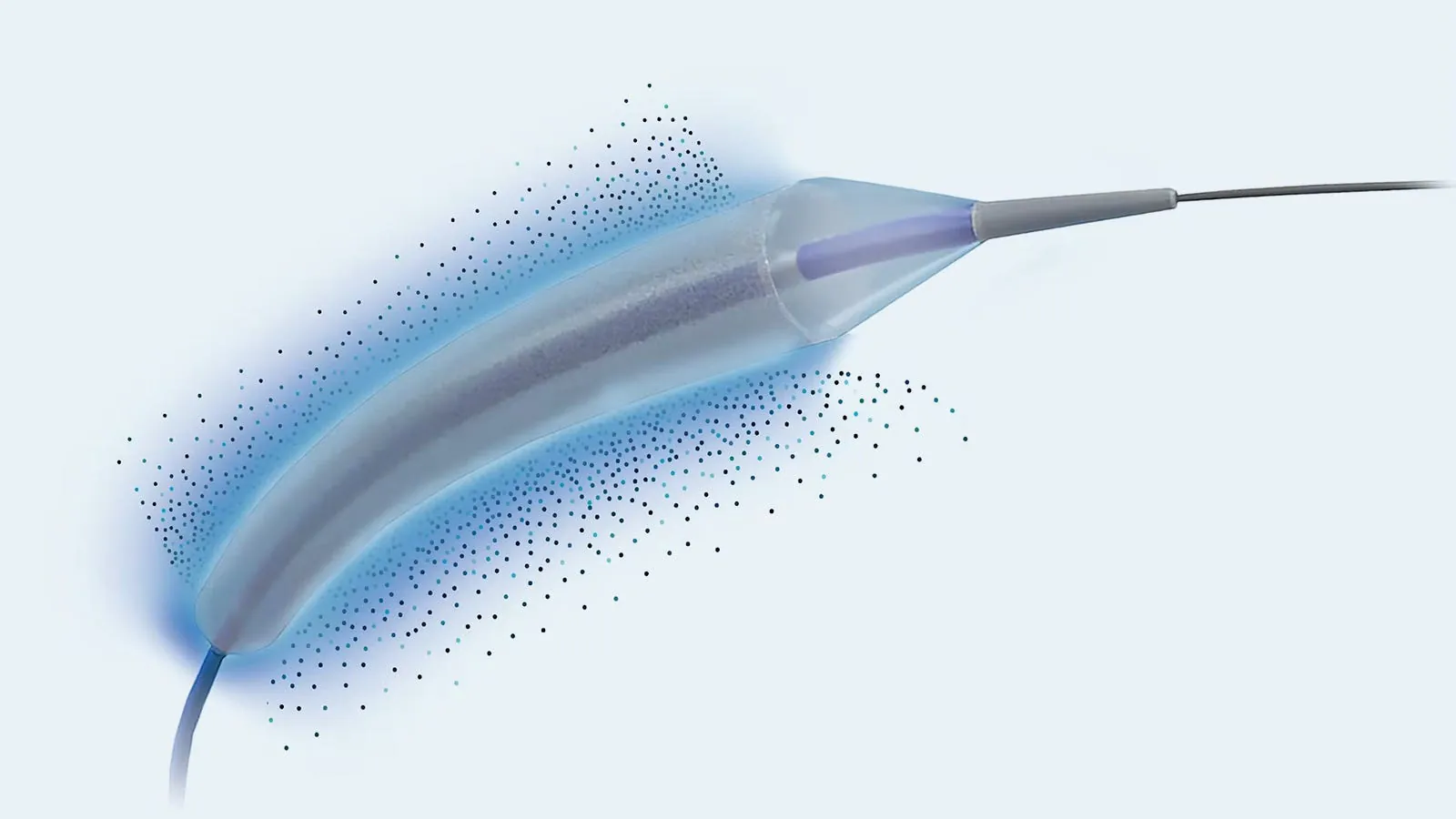
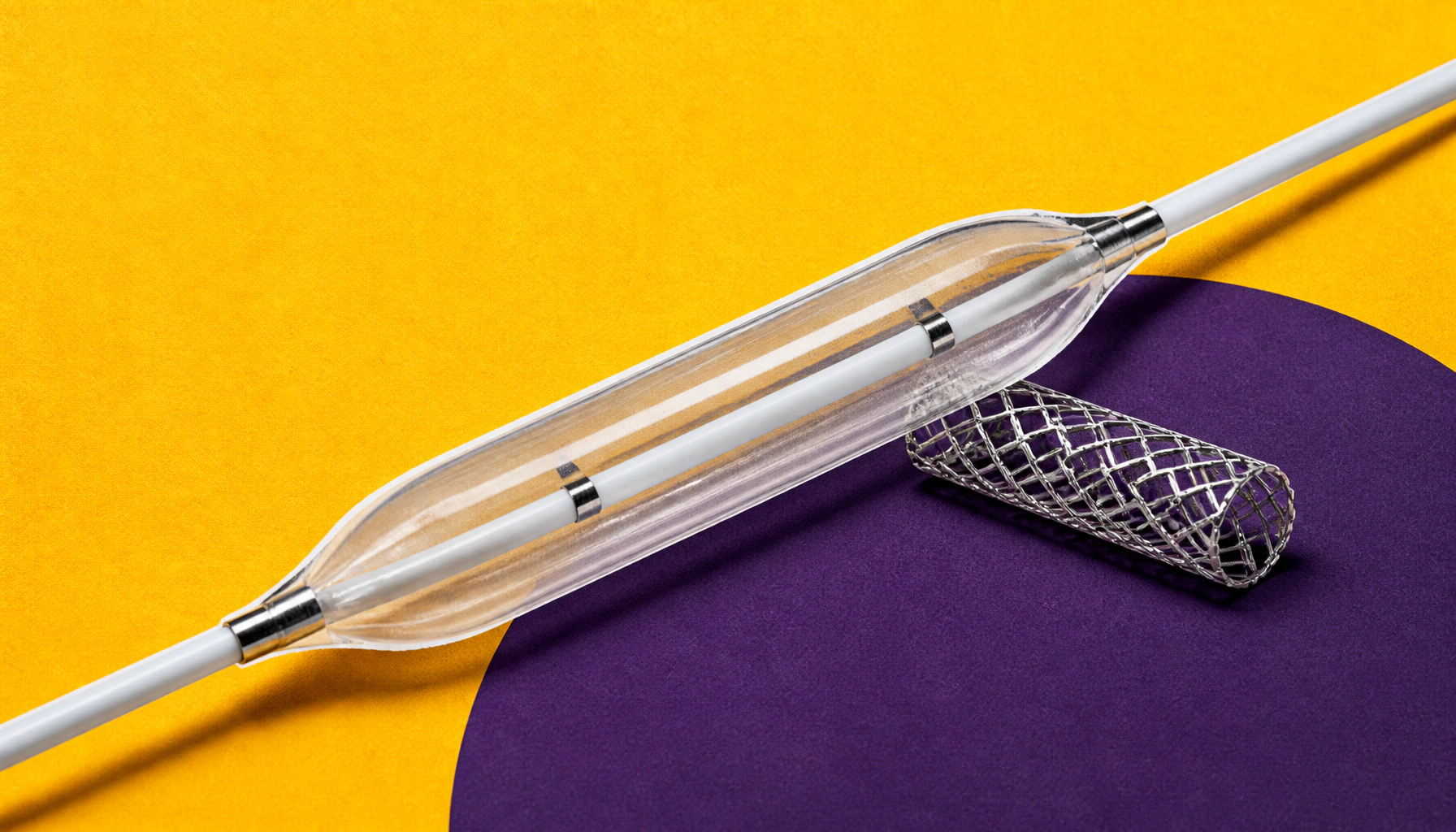
The FDA has approved the Selution SLR, a sirolimus-based drug-eluting balloon (DEB), for treating coronary in-stent restenosis (ISR) — making it the first sirolimus DEB and second DCB of any kind cleared for this indication in the US. The approval was backed by the SELUTION4ISR trial, which showed the device was noninferior to drug-eluting stents. It gives interventional cardiologists a stent-free treatment option for patients with recurring coronary blockages.
The FDA has approved the Selution SLR sustained limus release (SLR) drug-eluting balloon (DEB), made by Cordis, for the treatment of coronary in-stent restenosis (ISR) — a condition where a previously stented artery becomes narrowed again. It's the first sirolimus-based DEB and the second drug-coated balloon (DCB) of any type approved for this indication in the US, joining Boston Scientific's paclitaxel-based Agent DCB, which received approval in March 2024.
What sets Selution SLR apart is its ability to deliver sirolimus for up to 90 days without leaving behind an additional metal layer during percutaneous coronary intervention (PCI). Notably, its pivotal trial used drug-eluting stents (DES) — the current gold standard — as the primary comparator, a more rigorous benchmark than the plain balloon angioplasty control used in Agent DCB's trial.
By the Numbers:
Why it matters: For interventional cardiologists, this approval expands the toolkit for managing ISR without adding another stent layer — a meaningful option for patients who've already undergone multiple procedures. Long-term comparative data between the two approved DCBs is still pending.