


Curie Brief
Turn on cookies to sign in
Signing in saves your progress to your Curie account. We can only do that with cookies on — turn them on to continue.
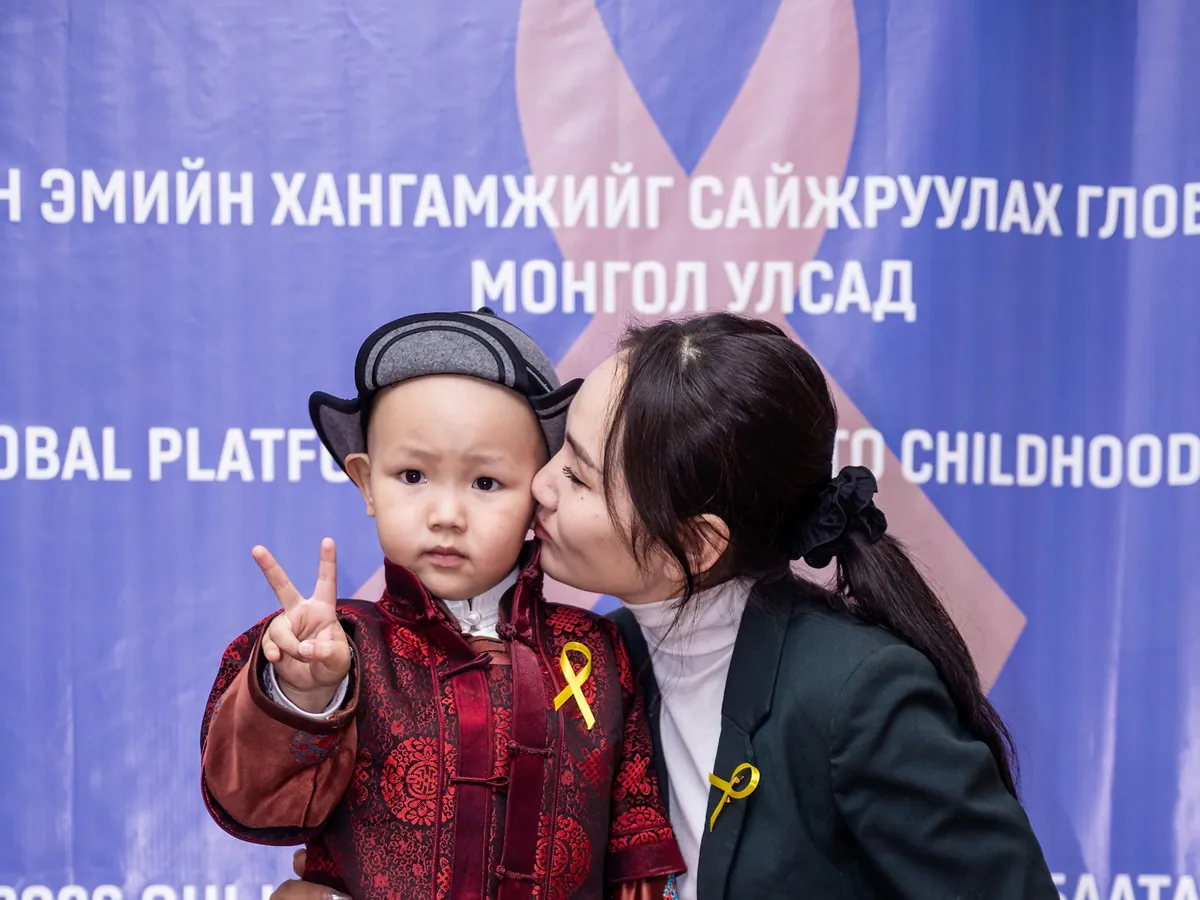
For the first time, WHO has published standardized five-year survival estimates for childhood lymphoid leukaemia across all 194 member states. The data reveal a stark divide: survival rates hit 80–90% in high-income countries but drop to ~40% in weaker health systems. The findings are meant to hold governments accountable to WHO's goal of 60% global childhood cancer survival by 2030.
WHO's Global Initiative for Childhood Cancer (GICC) has released the first-ever country-comparable five-year survival estimates for childhood lymphoid leukaemia, covering all 194 WHO member states. Using a standardized methodology for the first time, the data give governments and global health stakeholders a common baseline to track progress, benchmark performance, and direct investment where it's needed most.
The findings paint a picture of stark global inequality. High-income countries in the Western Pacific and European regions boast survival rates of 80–90%, while countries with weaker health systems — particularly in Africa and parts of the Eastern Mediterranean — see rates closer to 40%. Adolescents aged 15–19 face an even wider survival gap than younger children, especially in low- and middle-income countries, due to diagnostic delays and limited age-appropriate care pathways.
By the Numbers:
Why it matters: With the UN formally adopting a 60% global childhood cancer survival target by 2030, this dataset becomes a critical accountability tool. Closing the survival gap isn't just a moral imperative — WHO frames it as an economic "best buy" in noncommunicable disease control, with the potential to save 1 million additional lives this decade.


