Curie Brief
Turn on cookies to sign in
Signing in saves your progress to your Curie account. We can only do that with cookies on — turn them on to continue.

Obesity doesn't hit women the same way twice. A new narrative review maps how obesity-related risks shift from puberty through postmenopause — and finds that GLP-1 drugs show real promise, but major research gaps remain. With nearly 42% of U.S. women currently living with obesity, experts say individualized, life-stage-specific care is long overdue.
Obesity doesn't play by the same rules at every age — especially for women. A new narrative review published in Obesity Pillars examined how obesity-related risks, complications, and treatment options shift across four key life stages: puberty, reproductive age, perimenopause, and postmenopause. The findings paint a clear picture: one-size-fits-all obesity care isn't cutting it.
From early puberty through older age, the consequences compound. In adolescence, obesity is tied to earlier puberty and conditions like type 2 diabetes and polycystic ovary syndrome (now called PMOS). During reproductive years, it raises the risk of infertility, miscarriage, preeclampsia, and birth defects. Around menopause, cardiometabolic risks and mental health symptoms spike. And in postmenopause, obesity is linked to several cancers, osteoarthritis, and loss of bladder control.
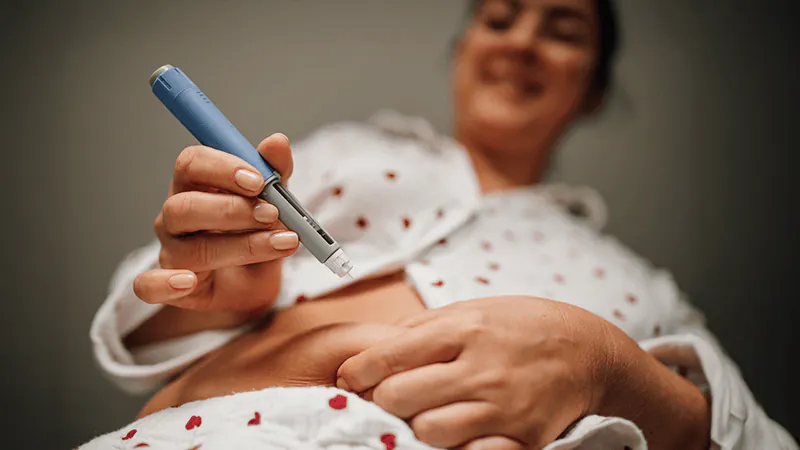
GLP-1 receptor agonists and other newer weight-loss medications showed effectiveness across all life stages — but none are approved during pregnancy or breastfeeding, and long-term effects on bone health, cancer risk, and physical function remain understudied.
Key Takeaways:
Why it matters: With obesity rates in U.S. women projected to hit nearly 59% by 2050, closing these research gaps and tailoring treatment to each life stage isn't just good medicine — it's a public health imperative.