Curie Brief
Turn on cookies to sign in
Signing in saves your progress to your Curie account. We can only do that with cookies on — turn them on to continue.
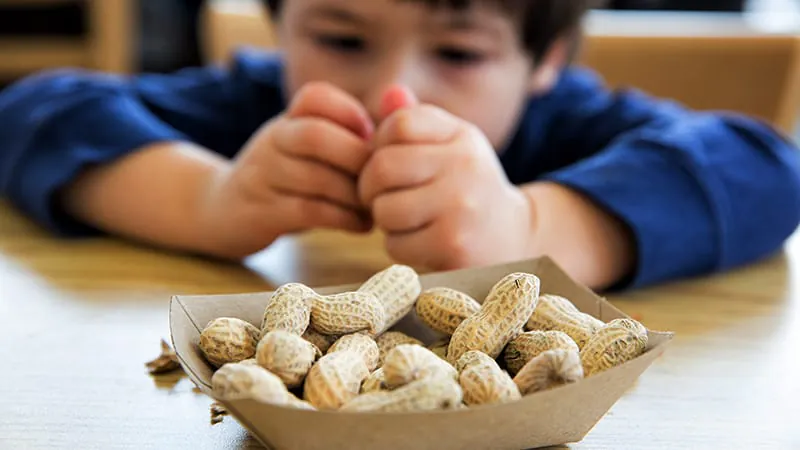
Kids born during Ireland's first COVID lockdown are still showing surprisingly low rates of food allergy at age 5. Researchers think lockdown-era lifestyle changes — like higher breastfeeding rates, less antibiotic use, and early introduction of allergenic foods — may have offered lasting protection. Meanwhile, other allergic conditions like airborne sensitization and wheeze followed typical developmental patterns.
Children born in Dublin during Ireland's first COVID lockdown (March–May 2020) continue to show unusually low rates of food allergy at age 5, according to a new longitudinal study published in Pediatric Allergy and Immunology. Researchers followed 209 children and found that the allergy-protective effects seen at age 2 didn't fade — no child was allergic to milk or eggs, and food allergy remained rare overall.
Researchers credit lockdown-era lifestyle shifts — higher breastfeeding rates, reduced antibiotic exposure, and earlier introduction of allergenic foods — as likely drivers of this lasting benefit. That said, other allergic conditions evolved as expected: airborne allergen sensitization rose significantly, atopic dermatitis declined, and wheeze prevalence held steady.
By the Numbers:
Why it matters: These findings suggest that early-life environmental exposures — even those shaped by an unprecedented global event — can have durable effects on immune development. For clinicians, it reinforces the value of early allergenic food introduction and limiting unnecessary antibiotic use in infancy.