Curie Brief
Turn on cookies to sign in
Signing in saves your progress to your Curie account. We can only do that with cookies on — turn them on to continue.
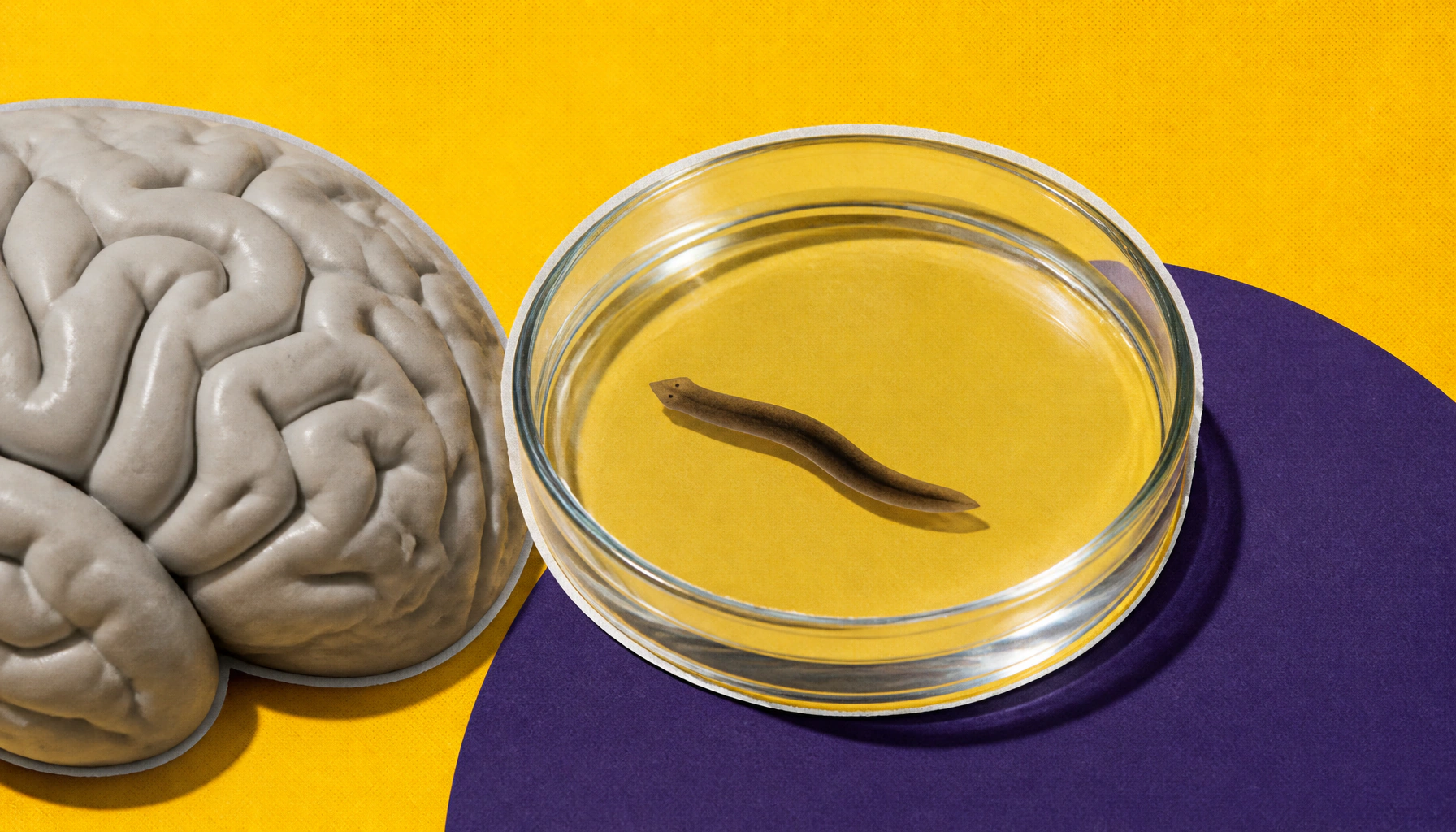
Tiny flatworms could unlock big breakthroughs in brain repair. University of Georgia researchers identified nearly a dozen genes that instruct stem cells to regenerate dopamine-producing neurons in planarian flatworms. The findings could pave the way for new therapies targeting Parkinson's disease, Alzheimer's, and traumatic brain injuries by harnessing the body's own regenerative machinery.
The human brain is notoriously bad at healing itself — but flatworms? They can regrow their entire brain from a tiny body fragment. Researchers at the University of Georgia have now identified nearly a dozen genes responsible for this remarkable ability, publishing their findings in Nature Communications.
The study focused on planarians, freshwater flatworms with stem cells that can transform into any cell type needed — including neurons. The team pinpointed genes that instruct stem cells to become dopamine-producing neurons and guide those new cells to the right locations. When these genes were knocked out, the worms struggled to regenerate dopamine neurons and showed sluggish movement — mirroring the effects of low dopamine seen in Parkinson's patients.
The hope is that understanding this "genetic recipe" in flatworms could help scientists figure out how to coax human stem cells into producing transplantable dopamine neurons for patients with neurological conditions.
Key Takeaways:
Why it matters: Current treatments for Parkinson's, Alzheimer's, and traumatic brain injuries are limited. Cracking the genetic code of brain regeneration in simple animals could open entirely new therapeutic avenues for some of medicine's most challenging conditions.