Curie Brief
Turn on cookies to sign in
Signing in saves your progress to your Curie account. We can only do that with cookies on — turn them on to continue.
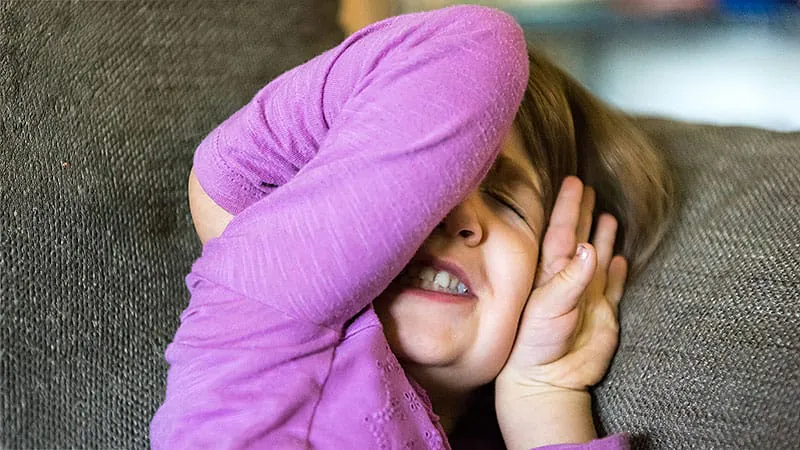
When kids have a stroke, the type of seizure that follows matters a lot. A new study found that status epilepticus (SE) and multiple seizures after pediatric ischemic stroke are strongly linked to poor functional recovery and a dramatically elevated risk of developing epilepsy. Clinicians may need to rethink how closely they monitor and follow up with these young patients.
A prospective cohort study out of China has found that the pattern of acute seizures following pediatric ischemic stroke can significantly predict long-term outcomes. Among 562 children with ischemic stroke, 137 experienced acute seizures within 7 days of onset — and those with status epilepticus (SE) or multiple seizures fared the worst.
Children with SE were over six times more likely to have poor functional outcomes at one year, and both SE and multiple seizures were tied to a lack of functional improvement between the 90-day and one-year marks. Notably, prophylactic or early use of antiseizure medications did not significantly change outcomes.
By the Numbers:
Why it matters: These findings suggest that seizure pattern — not just seizure occurrence — should guide neurologic follow-up intensity and rehabilitation planning after pediatric stroke, helping clinicians identify the highest-risk children earlier.