Curie Brief
Turn on cookies to sign in
Signing in saves your progress to your Curie account. We can only do that with cookies on — turn them on to continue.
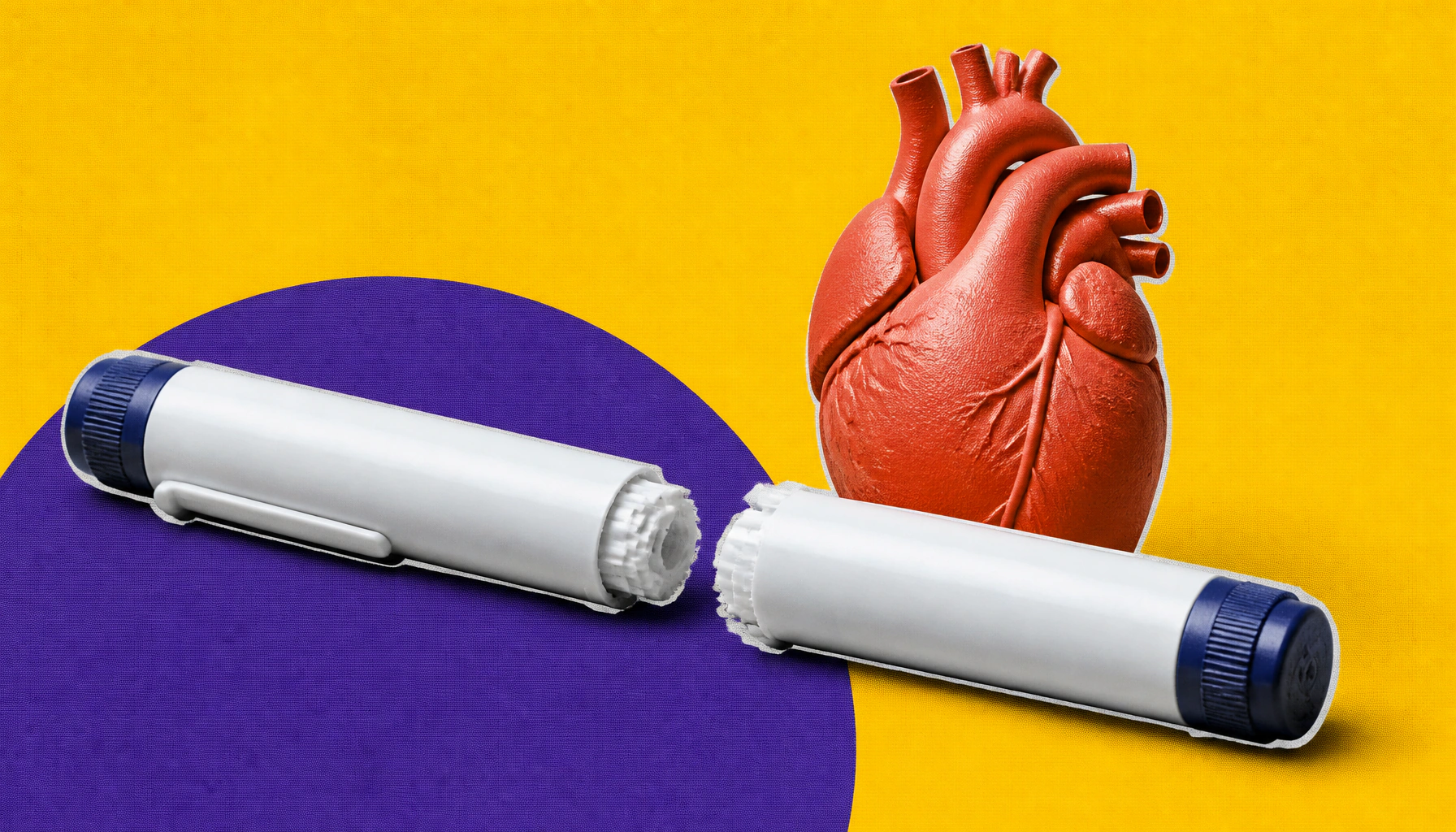
Stopping GLP-1 drugs like Ozempic and Wegovy could quietly undo their heart-protective benefits. A large study of over 333,000 veterans found that patients who stopped GLP-1 therapy for two years faced a 22% higher risk of heart attack, stroke, or death compared to those who stayed on the drugs. And even restarting the medication only partially restored that lost protection.
GLP-1 drugs like semaglutide (Ozempic, Wegovy) and tirzepatide (Mounjaro, Zepbound) are widely celebrated for their weight loss and diabetes benefits — but their cardiovascular perks may be just as important, and just as fragile. A major new study from Washington University School of Medicine, published in BMJ Medicine, found that stopping these medications can rapidly erase their heart-protective effects.
Researchers tracked over 333,000 U.S. veterans with type 2 diabetes for three years, reassessing treatment status every six months. Those who stayed on GLP-1 therapy continuously saw an 18% lower risk of major cardiovascular events compared to those on older diabetes drugs. But patients who stopped saw their risk climb steadily — and even a six-month gap was enough to start chipping away at the benefit. Restarting the drug helped, but didn't fully restore what was lost.
By the Numbers:
Why it matters: With about 1 in 8 U.S. adults now on GLP-1 drugs, discontinuation — driven by cost, side effects, and shortages — is common. This research signals that stopping isn't a neutral choice. Clinicians, health systems, and insurers need to treat long-term adherence as a clinical priority, not an afterthought.