Curie Brief
Turn on cookies to sign in
Signing in saves your progress to your Curie account. We can only do that with cookies on — turn them on to continue.

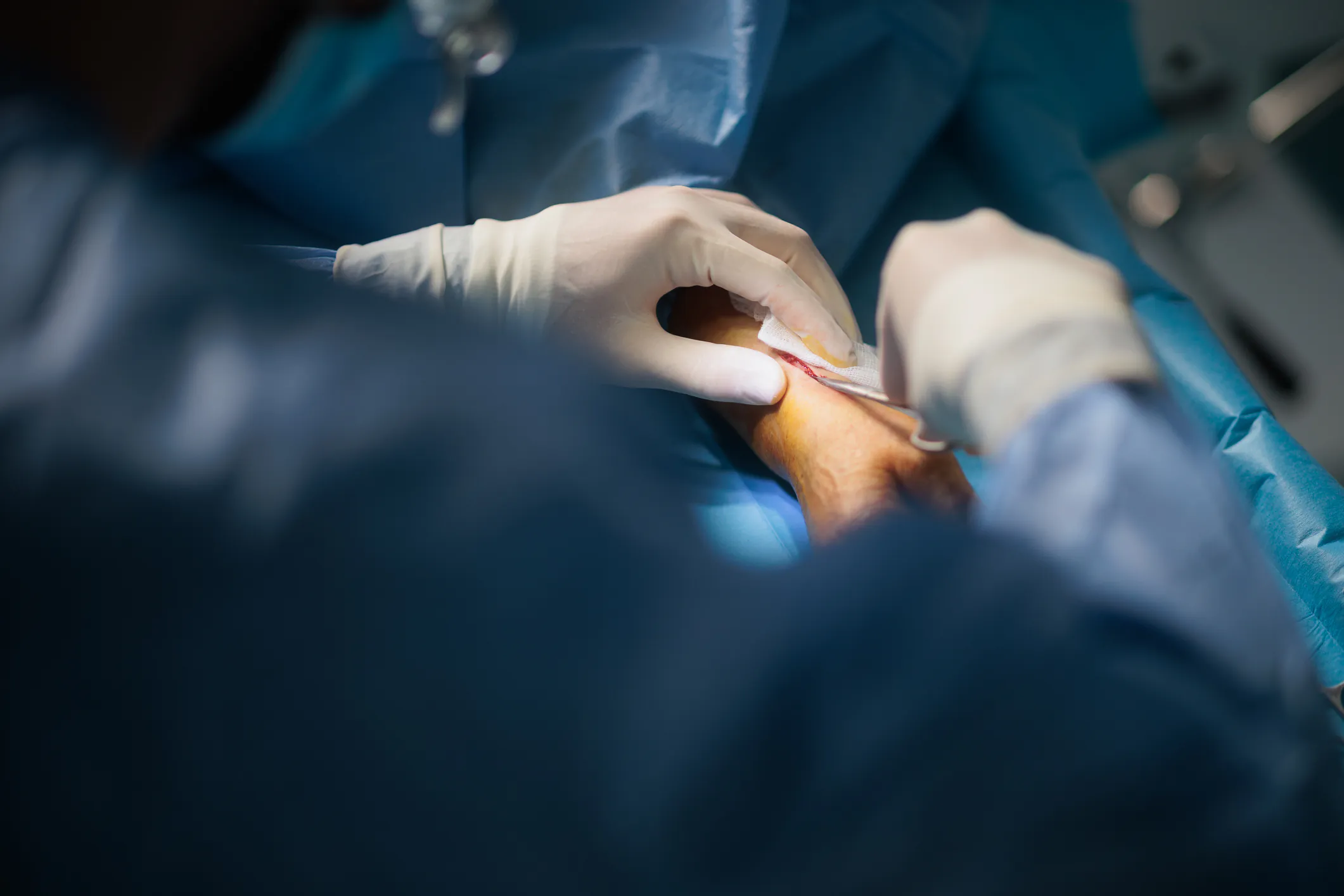
The standard of care for bone and joint infections may be due for a major rethink. A new randomized trial published in the NEJM found that just 7 days of systemic antibiotics was as effective as 4+ weeks in patients who received a local antibiotic implant during surgery — with fewer side effects and better survival outcomes.
For decades, treating orthopedic infections meant committing patients to weeks of systemic antibiotics. The SOLARIO trial, published in the New England Journal of Medicine, is now challenging that norm. The 500-patient randomized trial found that a short course (≤7 days) of postoperative systemic antibiotics was noninferior to a long course (≥4 weeks) in patients who had a local antibiotic carrier implanted during surgery — with a treatment failure rate of 11.1% vs. 14.1% at 12 months, well within the prespecified 10-percentage-point noninferiority margin.
Beyond efficacy, the short-course approach came with meaningful safety advantages. Patients on the shorter regimen reported far fewer treatment-related symptoms at 6 weeks and had better overall survival at 12 months. The authors also noted likely cost savings from reduced antibiotic use and shorter hospital stays.
By the Numbers:
Why it matters: This trial could reshape antibiotic stewardship in orthopedic surgery, reducing patient burden, side effects, and healthcare costs — while maintaining the same clinical outcomes.