Curie Brief
Turn on cookies to sign in
Signing in saves your progress to your Curie account. We can only do that with cookies on — turn them on to continue.
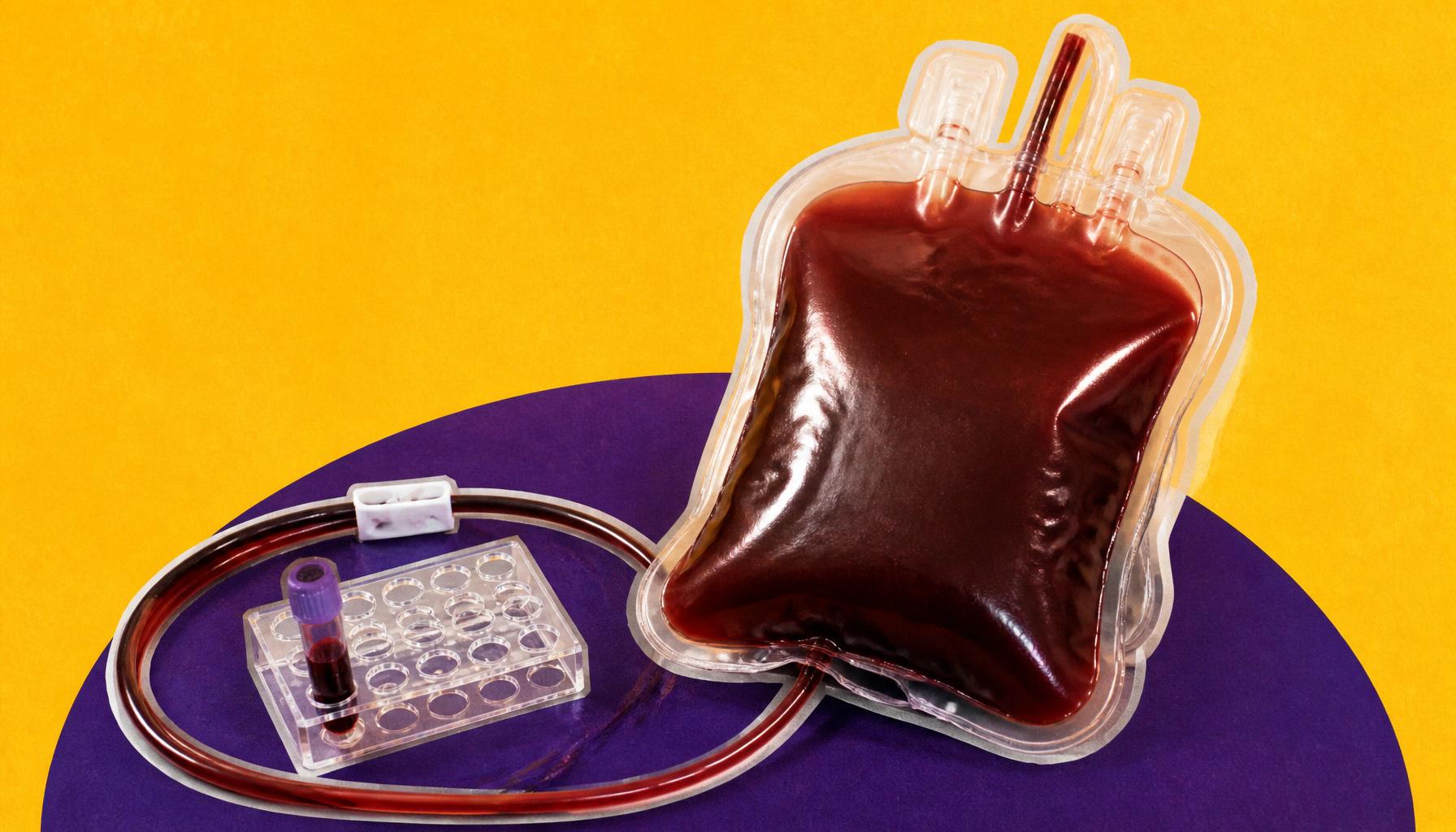
A puzzle that stumped scientists since 1972 has finally been cracked. Researchers at NHS Blood and Transplant identified the MAL gene as the source of the AnWj blood antigen, establishing MAL as the 47th official human blood group system. The discovery paves the way for genetic tests to identify the rare patients and donors who lack this antigen — and protect them from potentially life-threatening transfusion reactions.
A blood mystery that lingered for over 50 years has finally been solved. Scientists at NHS Blood and Transplant and the University of Bristol used whole exome sequencing to trace the AnWj blood antigen — first discovered in 1972 — to the MAL gene. People who inherit two defective copies of MAL lack the AnWj antigen entirely, a condition so rare that only a handful of cases had ever been identified. The International Society of Blood Transfusion has since formally recognized MAL as blood group system ISBT 047.
The clinical stakes are real. If an AnWj-negative patient develops antibodies against AnWj and receives mismatched blood, the result can be a dangerous hemolytic transfusion reaction. Finding compatible blood for such patients is extraordinarily difficult, since more than 99.9% of people carry the antigen. Recent 2026 case reports highlighted just how complex management can get — one patient required sutimlimab (a complement inhibitor) after incompatible transfusions triggered red blood cell destruction.
Key Takeaways:
Why it matters: For patients with ultra-rare blood types, finding a compatible donor can require international cooperation and specialized registries. A genetic test for MAL changes that calculus — giving clinicians a proactive tool to identify at-risk patients before a transfusion crisis unfolds.