Curie Brief
Turn on cookies to sign in
Signing in saves your progress to your Curie account. We can only do that with cookies on — turn them on to continue.

The U.S. Senate held its first-ever hearing on menopause, shining a spotlight on major gaps in research, clinical training, and access to care. Experts testified that less than 1% of federal funding goes toward midlife women's health, and 80% of OB/GYN residents feel unprepared to discuss menopause. Proposed legislation aims to fix that by mandating menopause education in medical training.
The U.S. Special Senate Committee on Aging made history by holding its first-ever congressional hearing on menopause, bringing together gynecologists, public health experts, and legal advocates to address a long-neglected area of women's health. Witnesses highlighted critical shortfalls: 1 million women enter menopause annually in the U.S., yet the care system is woefully underprepared to meet their needs — from rural physician shortages to inadequate insurance coverage.
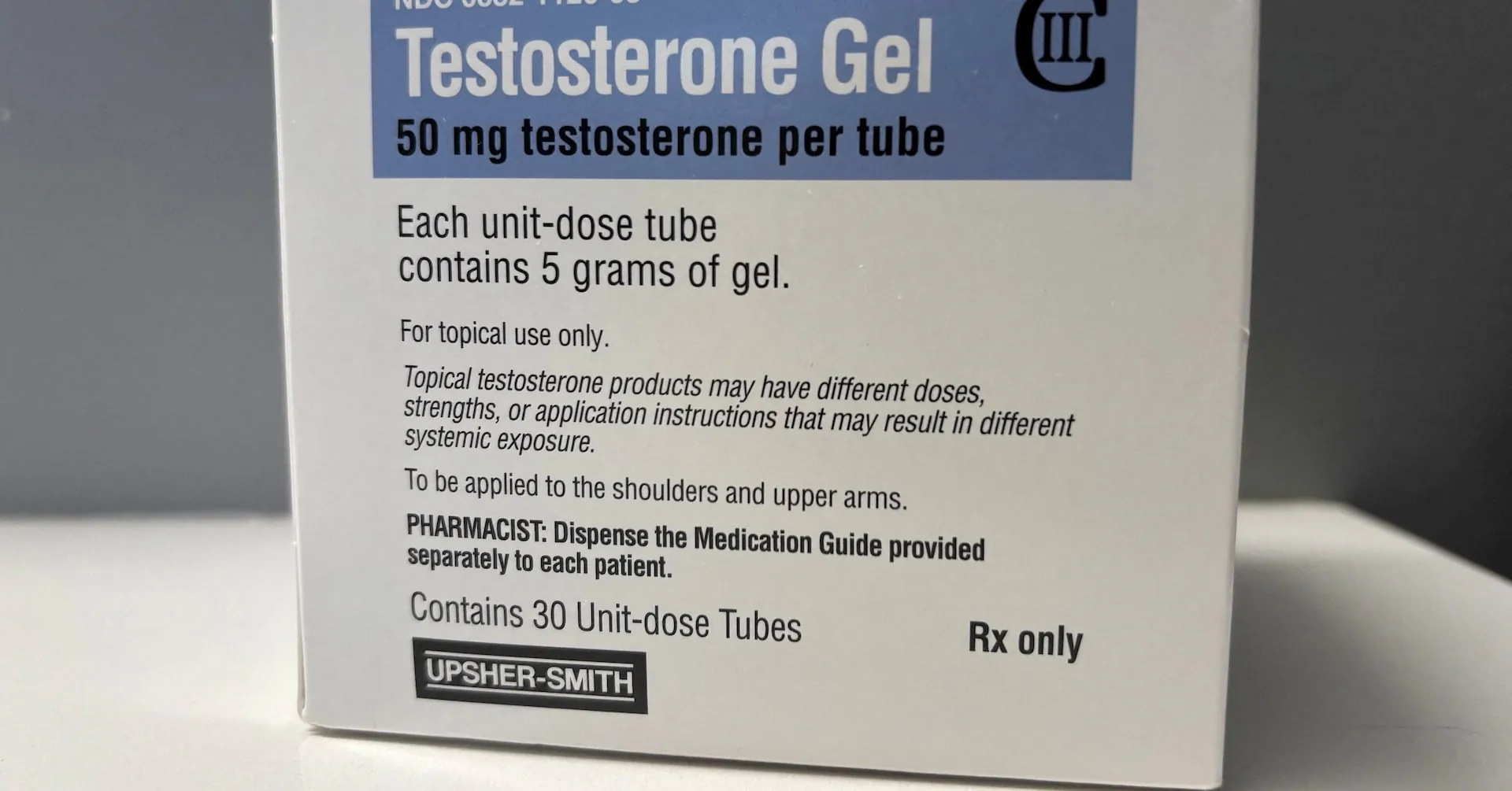
Experts also celebrated a recent win: HHS's revision of the estrogen hormone therapy black box warning, which removed outdated alerts for stroke, breast cancer, CVD, and probable dementia. Clinicians called it "a huge step in the right direction," noting the old warning had discouraged both patients and providers from using an effective treatment.
By the Numbers:
Why it matters: This landmark hearing signals growing political momentum to close the menopause care gap. Proposed bills like the Menopause Education for Medical Students Act could reshape how the next generation of clinicians is trained — with real consequences for millions of women navigating midlife health.