Curie Brief
Turn on cookies to sign in
Signing in saves your progress to your Curie account. We can only do that with cookies on — turn them on to continue.
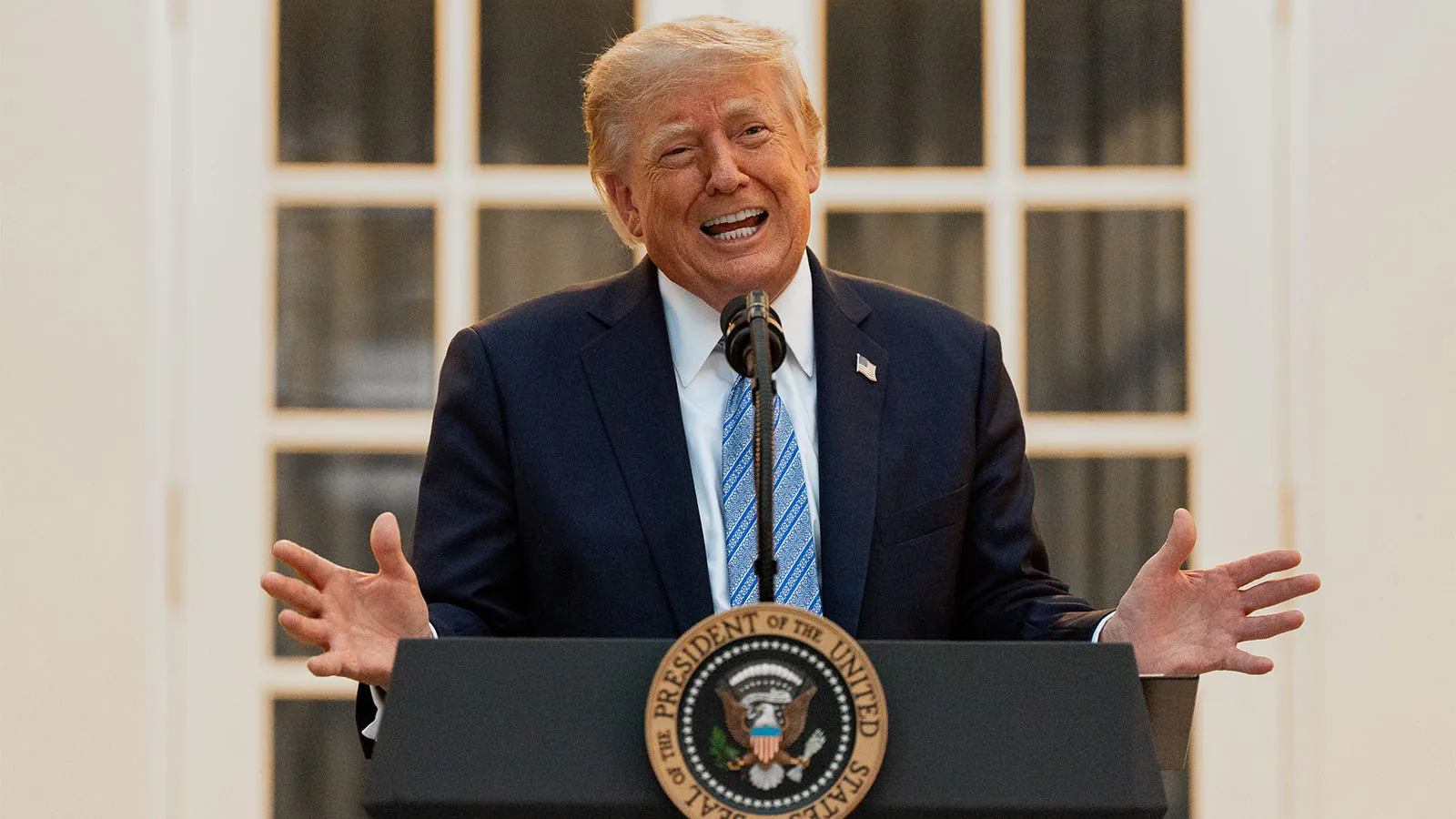
President Trump announced that all 50 states will participate in the Medicaid "GENEROUS" model, which applies "most favored nation" (MFN) pricing to select drugs — matching the lowest prices paid by other wealthy nations. The White House claims the plan could save $529 billion over 10 years, but experts are skeptical since the details of the pharmaceutical deals haven't been made public.
President Trump announced Friday that all 50 states will join the Medicaid "GENEROUS" model, a program that applies "most favored nation" (MFN) pricing to select drugs — meaning the U.S. would pay no more than the lowest price charged to any other affluent nation. The announcement, made alongside Health Secretary RFK Jr. and CMS Administrator Mehmet Oz, comes just weeks ahead of November's midterm elections, with cost-of-living concerns dominating voter sentiment.
The White House projects the initiative could save $529 billion over the next decade, and Trump suggested states could redirect those savings toward other healthcare improvements. However, experts are urging caution — the actual terms of the deals struck with pharmaceutical companies remain confidential, making independent verification of the savings claims nearly impossible.
Key Takeaways:
Why it matters: If the savings projections hold up, this could reshape how the U.S. negotiates drug prices at scale. But without public disclosure of deal terms, policymakers, lawmakers, and patients are left taking the administration's word for it.